
Try Scanning New Products with Halal AI Mobile App


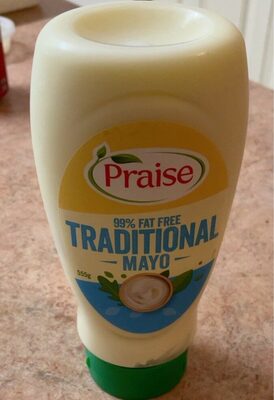
Barcode: 9310047203496
Traditional mayo
DOUBTFUL
📝 Reason: The product contains ingredients with Doubtful status due to potential animal origin or lack of clear Halal certification. According to Islamic dietary laws, any doubt about the Halal status of an ingredient makes the entire product Doubtful. Quran 5:3 prohibits consuming anything that is not clearly Halal.
🏷️ Category: Condiments, Sauces, Salad Dressings, Mayonnaises
📄 Certificates: Australian Made
Ingredients:
Details
Understanding the Halal Status of Traditional Mayo
When it comes to knowing if a product aligns with Islamic dietary laws, it’s key to scrutinize the ingredients thoroughly. This is especially true for products like Traditional Mayo, a popular condiment used in various dishes. Let’s dive into its ingredients, E-numbers, and the overall Halal status.
Halal Status Overview
The Halal status of Traditional Mayo is classified as Doubtful. This is primarily because certain ingredients may have an animal origin or lack a clear Halal certification. As stated in the Quran 5:3, any uncertainty about an ingredient’s Halal status could potentially render the entire product unacceptable for Halal consumers.
Ingredient Breakdown
The ingredients in Traditional Mayo include:
- Maize thickener
- Vegetable gums
- Food acid
- Antioxidant
- Colours
E-Numbers and Their Status
Each E-number contained within Traditional Mayo has a specific status related to its Halal authentication:
- E1442 (Maize thickener): Generally considered Halal as it is derived from maize, a plant source.
- E415 (Vegetable gums): This ingredient is derived from plant sources and generally falls within the Halal classification.
- E460 (Vegetable gums): Similar to E415, this is also derived from plant sources and is generally accepted as Halal.
- E466 (Vegetable gums): Like E460, this is derived from plant sources and is considered Halal-friendly.
- E330 (Food acid): Citric acid, which is commonly used in food products, is generally regarded as Halal.
- E320 (Antioxidant)**: Butylated hydroxyanisole (BHA) falls into the Doubtful category due to its potential animal origin.
- E161b (Colours): Lutein’s status is Doubtful as it may come from animal sources.
- E171 (Colours): Titanium dioxide lacks a clear Halal certification, putting its status into the Doubtful list.
Brand and Category Context
Traditional Mayo belongs to the Condiments, Sauces, Salad Dressings, and Mayonnaises category, often used in various culinary creations like salads, sandwiches, and dressings. Understanding the Halal status of such products is crucial for consumers looking to adhere strictly to Islamic dietary laws.
Although Traditional Mayo carries the Australian Made certification, it’s important to note that this label does not guarantee Halal compliance. The distinction between local production and Halal certification must be established to avoid confusion.
Conclusion
The status of Traditional Mayo emphasizes the importance of ingredient transparency. For those adhering to a Halal diet, it is vital to approach this product with caution due to its Doubtful classification. If you’re looking for condiments, consider researching alternatives that explicitly state their Halal certification to guarantee compliance with dietary laws.
In conclusion, always check the ingredient sources and certifications before purchasing any product.
