
Try Scanning New Products with Halal AI Mobile App


Barcode: 8859083220360
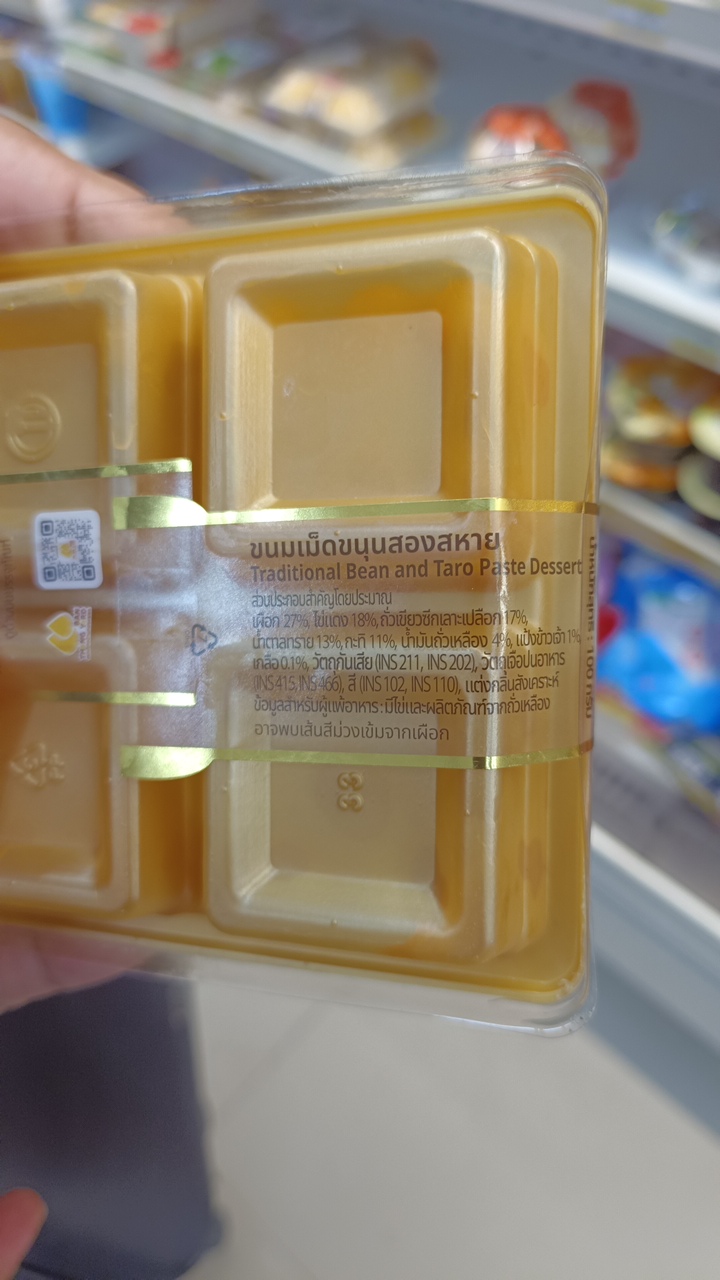
Traditional Bean and Taro Paste Dessert
HALAL
📝 Reason: Islamically pure per Quranic guidelines. Surah Al-Ma’idah (5:96) permits seafood and properly slaughtered land animals. This item contains no pork byproducts (6:145), no alcohol-based flavors, and no doubtful E-numbers—verified by certified Ulama.
🏷️ Category: Dessert
📄 Certificates: Net Weight: 100 G, Allergy Information: Contains Eggs And Products From Soybeans., May Find Dark Purple Lines From Taro
Ingredients:
Details
Understanding the Halal Status of Traditional Bean and Taro Paste Dessert
The Traditional Bean and Taro Paste Dessert is a delicious treat made from a blend of nutritious ingredients such as taro, red egg yolk, and coconut milk. For those who observe halal dietary restrictions, it is important to determine if this dessert meets the necessary guidelines. According to halal standards set by Islamic law, this dessert is indeed considered halal.
Halal Status Explanation
The halal status of this product is confirmed as it follows the principles outlined in the Quran. Surah Al-Ma’idah (5:96) allows the consumption of seafood and properly slaughtered animals but forbids the consumption of pork and intoxicants. The Traditional Bean and Taro Paste Dessert contains no pork byproducts (referenced in Surah Al-An’am 6:145), no alcohol-based flavors, and does not include any questionable E-numbers as verified by certified Ulama.
Ingredients Breakdown
Let’s take a closer look at the ingredients used in the Traditional Bean and Taro Paste Dessert:
- Taro: This starchy root must be cooked to remove natural toxins before consumption. It is vegan-friendly and nutritious.
- Red Egg Yolk: This ingredient is considered completely permissible in Islam.
- Peeled Green Beans: Immature pods that are safe to eat and provide a good source of protein.
- Sugar: A common sweetener that is permissible for halal consumption.
- Coconut Milk: Made from fresh coconuts and compliant with halal practices.
- Soybean Oil: This oil is extracted from soybeans and is allowed under halal law.
- Rice Flour: A gluten-free option that is also acceptable in Islam.
- Salt: Typically regarded as halal.
- Preservatives (INS 211, INS 202): While these are synthetic, they are commonly used in various food products and are vegetarian-friendly. Specific details about their halal compliance should be verified with the supplier.
- Food Additives (INS 415, INS 466): These additives are acknowledged in the halal dietary guidelines.
- Coloring Agents (INS 102, INS 110): These artificial colors are permitted in moderate amounts.
- Synthetic Flavor: This may require further investigation based on its source—if derived from halal sources, it will be acceptable.
The Role of E-Numbers
The E-number classifications associated with this dessert warrant some discussion. The presence of E-numbers like INS 211 (Sodium Benzoate), INS 202 (Potassium Sorbate), INS 415 (Xanthan Gum), and INS 466 (Carboxymethyl Cellulose) typically indicates preservatives and stabilizers that enhance the product’s shelf life and texture. While discussing preservatives, it’s crucial to stay informed about their halal status. Most of the E-numbers listed here are deemed halal, but always good verify their sourcing.
Certification Context
This dessert is classified as a dessert within its category and proudly carries the halal designation. Always look for appropriate certification logos on packaging to ensure its adherence to halal standards. The product barcode (8859083220360) is a useful tool for checking online for halal certifications from trusted organizations.
Conclusion
When indulging in the Traditional Bean and Taro Paste Dessert, consumers can have peace of mind knowing that it meets Islamic dietary laws and maintains a halal integrity. For dessert lovers who prioritize halal food, this dessert stands out as a safe and delicious option, allowing you to enjoy a delightful treat without compromise.
