
Try Scanning New Products with Halal AI Mobile App


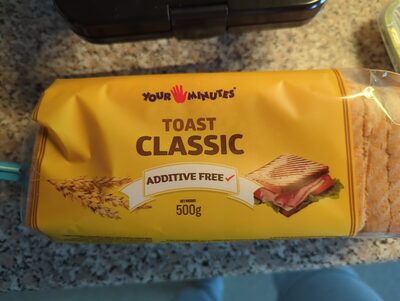
Barcode: 8606018730469
Toast classic
HALAL
📝 Reason: According to Islamic dietary law (Quran 5:3) and halal ingredient guidelines (e.g., IFANCA), all listed ingredients except ‘enzymes’ and ‘flavor’ are Halal. However, ‘enzymes’ and ‘flavor’ are considered doubtful due to possible animal or alcohol sources without certification. If any ingredient is doubtful, the product is marked ‘Doubtful’ according to strict rules for Muslim consumers, ensuring safety and compliance.
🏷️ Category: Plant Based Foods And Beverages, Plant Based Foods, Cereals And Potatoes, Breads, Sliced Breads
📄 Certificates: No Gluten, Vegetarisch
Ingredients:
Details
Understanding the Halal Status of Toast Classic
As consumers become more conscious of their dietary choices, the importance of adhering to Halal standards remains paramount within the Muslim community. One prevalent product, Toast Classic, raises questions regarding its Halal status. In this post, we will explore the Halal compliance of Toast Classic’s ingredients, providing a detailed analysis of each component to guide consumers in making informed decisions.
Ingredients Breakdown
The primary ingredients found in Toast Classic include wheat white flour, water, sourdough (which comprises water, wheat white flour, and milk acid culture), sunflower oil, sugar, yeast, kitchen salt, fermented wheat flour, wheat gluten, acerola powder, enzymes, and flavor. A closer examination of these ingredients reveals the following:
1. Wheat White Flour
Status: Halal
Wheat white flour is plant-based, making it Halal-certified. It is a common ingredient in many baked goods.
2. Water
Status: Halal
Water is universally considered Halal as it is essential for life and does not originate from any haram source.
3. Sourdough
Status: Likely Halal
Sourdough is made from water, wheat white flour, and milk acid culture. The use of milk acid bacteria is generally Halal when it does not derive from any haram animal sources.
4. Sunflower Oil
Status: Halal
A plant-derived oil, sunflower oil is widely recognized as a Halal ingredient suitable for cooking and baking.
5. Sugar
Status: Typically Halal
Standard sugar is Halal unless processed with bone char, which is an uncommon practice outside specific sectors.
6. Yeast
Status: Halal
Yeast is a fungus-based ingredient widely accepted within Halal practices and is used in fermentation.
7. Kitchen Salt
Status: Halal
As a mineral, kitchen salt or sodium chloride is inherently Halal.
8. Fermented Wheat Flour
Status: Halal
Similar to wheat flour, fermentation does not alter its Halal status, provided the fermentation process remains compliant with Halal standards.
9. Wheat Gluten
Status: Halal
Wheat gluten, derived from wheat and providing protein content, is Halal-compliant.
10. Acerola Powder
Status: Halal
This ingredient comes from the acerola cherry and is plant-based.
11. Enzymes
Status: Doubtful
The status of enzymes can vary significantly. They may originate from animal, microbial, or plant sources, making them questionable if derived from non-Halal slaughtered animals.
12. Flavor
Status: Doubtful
‘Flavor’ can be natural or artificial and might contain alcohol or non-Halal animal-derived components, which makes it a potential concern for strict Halal compliance.
Conclusion
After reviewing the ingredients used in Toast Classic, we can conclude that most components are Halal, with the exception of enzymes and flavor, which pose doubts due to their unclear sources. It is advised that consumers reach out to the manufacturer for further clarification on these questionable ingredients to ensure compliance with their dietary needs.
As society evolves, the importance of transparency in food labeling is critical; products like Toast Classic need to clearly state their sources, particularly for doubtful ingredients. Ensuring Halal compliance not only satisfies dietary restrictions but also promotes trust and integrity in the food industry.
