
Try Scanning New Products with Halal AI Mobile App


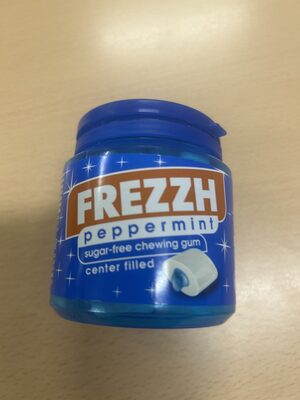
Barcode: 8718734821410
N/A
DOUBTFUL
📝 Reason: This product includes religiously uncertain substances that could be Halal or Haram. Definitive classification requires more detailed production information.
🏷️ Category: Snacks, Sweet Snacks, Confectioneries, Candies, Chewing Gum, Sugar Free Chewing Gum
📄 Certificates: N, /, A
Ingredients:
Details
Understanding the Halal Status of This Product
The Halal status of a product is crucial for many consumers, especially in dietary choices. This product’s Halal status is currently noted as DOUBTFUL. This classification arises from the presence of ingredients with uncertain religious status. Let’s delve into the ingredients and their implications.
Key Ingredients Breakdown
The product includes a variety of sweeteners, stabilizers, and flavoring agents:
- Sweeteners: The sweeteners include maltitol, mannitol, sorbitol, sucralose, and acesulfame K. These ingredients are commonly used in sugar alternatives.
- Gum Base: This component is generally permissible in Islam but originates from various sources, which may differ by manufacturer.
- Humectant (Glycerol): Glycerol can be derived from animal sources, so caution is required to confirm its Halal status.
- Flavors: Flavors are often permissible but can vary based on their source.
- Gelatin: This ingredient is noteworthy. Gelatin is usually derived from animal collagen, which raises concerns—particularly if it comes from Haram (forbidden) sources. Always check for a Halal logo.
- Emulsifier (Sunflower Lecithin): This is considered permissible in Islam.
- Coating Agent (Carnauba Wax): This plant-based coating is also permissible.
- Stabilizer (Sodium Carboxymethylcellulose): Additionally, this stabilizer has a clear Halal status.
- Spirulina Concentrate: Generally deemed Halal, but excessive consumption may lead to laxative effects.
Ingredient E-numbers and Their Implications
Here are the E-numbers corresponding to the ingredients in this product along with their details:
- E965 (Maltitol): Commonly used as a low-calorie sweetener. Its Halal status depends on its source.
- E421 (Mannitol): A versatile ingredient that is used for its thickening and texturizing properties, typically acceptable.
- E420 (Sorbitol): Like mannitol, this E-number functions similarly and is generally Halal.
- Sucralose and Acesulfame K: Both are artificial sweeteners considered permissible in Islam.
- E422 (Glycerol): As mentioned, its origin needs confirming—especially if it comes from animal sources.
- E441 (Gelatin): Watch for certification as it can originate from non-Halal sources. Always check for a Halal logo.
Why is the Halal Status Ambiguous?
The central theme behind the product’s DOUBTFUL classification lies in the uncertainty surrounding its components—particularly gelatin and glycerol. While many ingredients like sucralose and acesulfame K have recognized Halal status, the presence of gelatin significantly complicates any definitive classification without specific production details.
Conclusion
When considering this product for your diet, it’s essential to look beyond the label. With the current ingredients being Doubtful in terms of Halal status, it’s recommended to contact the manufacturer directly for clarity or seek out Halal-certified alternatives. This is especially important for those who adhere strictly to Halal dietary guidelines.
If Halal authenticity is a priority for you, this product may necessitate further investigation. Remember, being informed about E-numbers and ingredient origins can greatly enhance your dietary choices.
