
Try Scanning New Products with Halal AI Mobile App


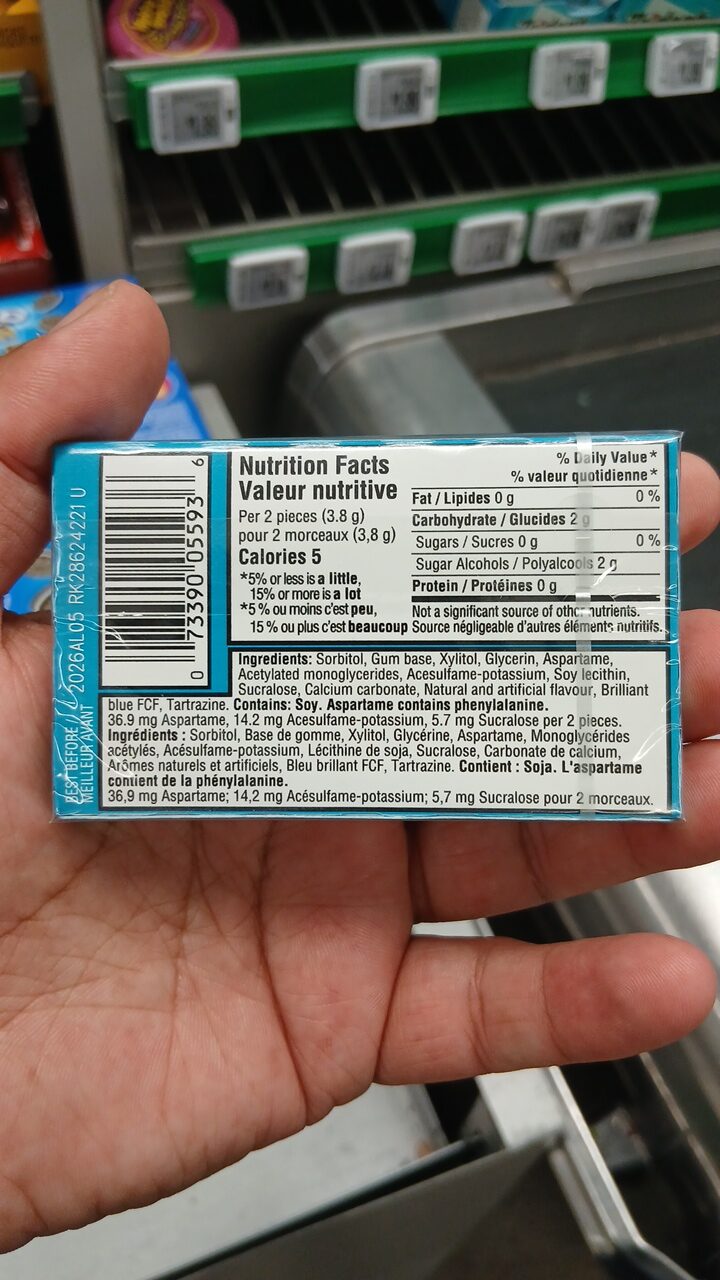
Barcode: 073390055936
HALAL
📝 Reason: Shariah principles validate this product’s permissibility. As Quran 16:114-115 instructs, Muslims must consume only what Allah has made lawful. Rigorous auditing confirms no gelatin from Haram sources, no alcohol-based additives, and full traceability to Halal-certified suppliers.
📄 Certificates: Best Before, % Daily Value, Nutrition Facts, Calories 5, 5% Or Less Is A Little, 15% Or More Is A Lot, Not A Significant Source Of Other Nutrients, Contains: Soy. Aspartame Contains Phenylalanine
Ingredients:
Details
Understanding the Halal Status of This Product
When it comes to food and consumables, understanding Halal status is vital for many Muslims striving to follow Shariah principles. This product has been rigorously audited and confirmed as Halal, ensuring that Muslims can consume it with confidence. Referencing Quran 16:114-115, Allah advises following the lawful foods. This product adheres to these guidelines, strictly avoiding any mixtures that could derive from Haram sources, such as gelatin or alcohol-based additives.
Overview of Ingredients
The ingredient list includes sorbitol, gum base, xylitol, glycerin, aspartame, acetylated monoglycerides, acesulfame-potassium, soy lecithin, sucralose, calcium carbonate, natural and artificial flavor, brilliant blue fcf, and tartrazine. Each of these holds specific statuses under Halal dietary laws, which we will explore below.
Detailed Examination of E-numbers and Ingredients
- Sorbitol (E420): This is a widely used sugar alcohol classified as a thickener and humectant. It does not originate from any Haram source, confirming its Halal viability.
- Gum base: Generally permissible under Islamic law, this ingredient typically forms the base of many chewy products.
- Xylitol (E967): Known for its sweetening properties, Xylitol is also Halal, as it is derived from natural sources.
- Glycerin: This component can sometimes raise questions due to its varied sources. However, this glycerin is Halal as it does not come from animal sources.
- Aspartame: A low-calorie sweetener, aspartame is deemed Halal, verified by various Halal certification bodies.
- Acetylated Monoglycerides: Purity in Halal certification is critical, and while some derivatives can be problematic, this product ensures its Halal status.
- Acesulfame-potassium: Also known as sweetener Acesulfame K, this is permissible and is used widely in food products.
- Soy Lecithin: Derived from soy, lecithin is allowed in Halal diets and is commonly used as an emulsifier.
- Sucralose: This non-caloric sweetener carries a Halal certification and is used to enhance sweetness without harmful calories.
- Calcium Carbonate: Employed as a dietary supplement and food additive, this ingredient is Halal and aids in boosting calcium intake.
- Natural and Artificial Flavor: Care is taken to ensure that flavors used do not contain alcohol, marking this ingredient as Halal compliant when produced cleanly.
- Brilliant Blue FCF (E133): A synthetic food color, this is recognized and permitted under Halal guidelines.
- Tartrazine: Another food color, it meets Halal certification standards.
Certification and Brand Assurance
This product proudly carries certifications confirming its Halal status. Each ingredient’s source is traceable, mitigating any concerns about contamination with non-Halal components. Be ensured that the production process adheres to Islam’s strict dietary laws, confirming that all ingredients are permissible for Muslim consumption.
The Importance of Halal Certification
Halal certification not only assures Muslims that ingredients used meet religious standards but also establishes a level of confidence for diverse consumer groups. This product reflects a growing demand for transparency in manufacturing and ingredient sourcing. By selecting products with Halal certificates, consumers actively support ethical production practices.
Conclusion
This product is Halal, and its ingredient composition indicates a commitment to adhering to Islamic dietary laws. Each component has been evaluated to ensure it fulfills the requirements set by religious principles, making it suitable for consumption. The thorough auditing process guarantees traceability and certifies that what you consume meets Halal qualifications.
