
Try Scanning New Products with Halal AI Mobile App


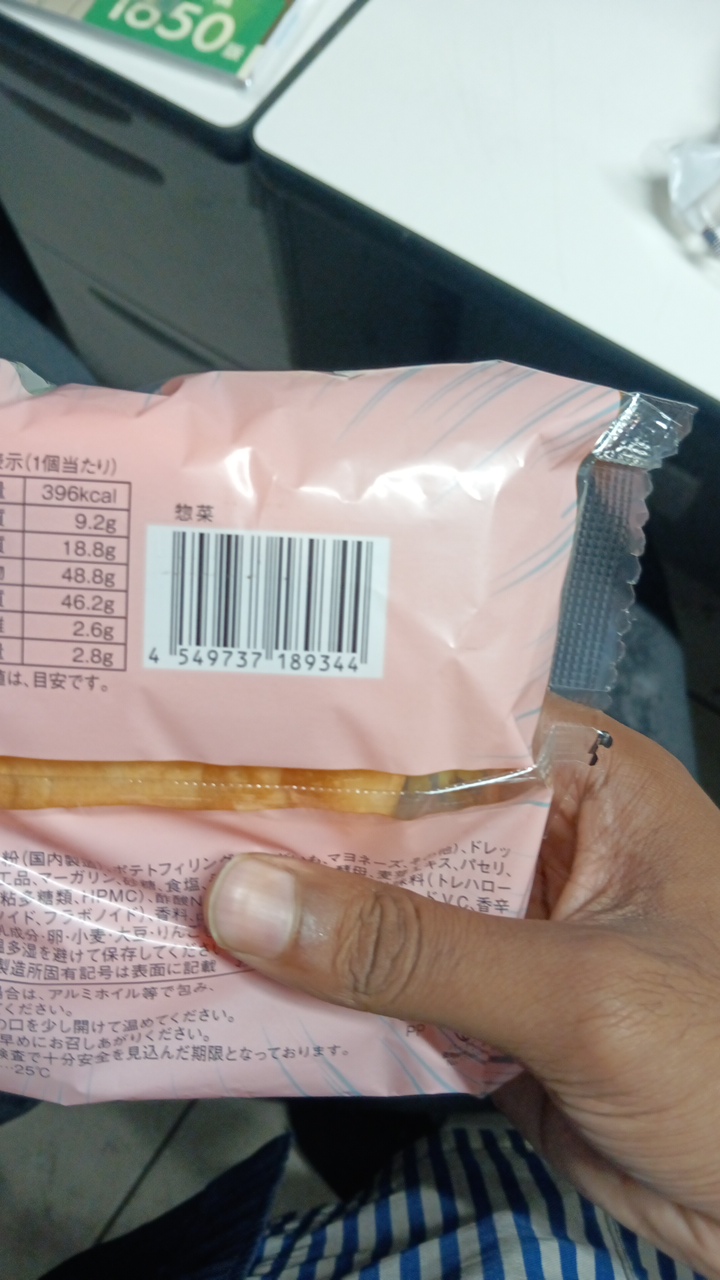
Barcode: 4549737189344
side dish
HALAL
📝 Reason: Islamic jurisprudence deems this fully Halal. Quran 5:88 mandates eating what Allah has provided for you, lawful and good. This product contains only plant-based or Zabiha-slaughtered ingredients (6:118), with no doubtful emulsifiers or undisclosed enzymes.
🏷️ Category: Prepared Food
📄 Certificates: Approximate Value, Manufactured In Japan, Please Store In A Place Avoiding High Temperature And Humidity., The Manufacturing Location Code Is Written On The Surface., If Necessary, Wrap It In Aluminum Foil, Etc. And Warm It., Please Open The Mouth A Little And Warm It., Please Enjoy It Early., It Has A Shelf Life That Takes Into Account Sufficient Safety After The Inspection., 25°C
Ingredients:
Details
Understanding the Halal Status of the Side Dish
The culinary landscape of Halal foods has been expanding faster than ever, and today we will delve into the Halal status of a popular prepared item: the Side Dish. According to Islamic jurisprudence, this product is classified as Halal, meeting all the necessary religious guidelines for consumption.
Why is the Side Dish Considered Halal?
The Quran explicitly states in Verse 5:88 that Muslims should consume what Allah has provided that is lawful and good. This product adheres to that principle by containing only ingredients that are either plant-based or from Zabiha-slaughtered sources. The absence of any doubtful emulsifiers or undisclosed enzymes further affirms its Halal status, echoing the teachings of Qur’an 6:118 which encourages Muslims to be mindful of their dietary choices.
Ingredient Breakdown
Let’s take a closer look into the ingredients of the Side Dish:
- Flour (made in Japan): A staple in many cultures, flour is plant-based and entirely permissible in Islam.
- Potato Filling: This starchy tuber is versatile and a common ingredient in many Halal dishes.
- Margarine: Often derived from vegetable sources, most margarines are Halal unless specified otherwise.
- Sugar: Unadulterated sugar is permissible in Islam.
- Salt: A basic mineral that is also Halal.
- Thickening Polysaccharide (HPMC): Generally regarded as Halal.
- Sodium Acetate: A food additive that is permissible in Islam.
- Emulsifier: Many emulsifiers can be derived from plant sources, making them Halal as long as there are no non-Halal origins.
- Fatty Acid: Typically derived from plant origins, thus permissible.
- Flavonoid: This ingredient is often derived from plants and considered Halal.
- Flavoring: Most flavorings are Halal unless derived from haram sources.
- Whey: While derived from milk, it is considered Halal as long as the milk is from Halal animals.
- Egg: A wholesome source of protein that is also Halal.
- Wheat: Another plant-based ingredient that is permissible.
- Soybean: Derived from plants, this ingredient is entirely Halal.
- Apple: A common fruit that is considered Halal.
- Dressing: Often plant-based but should be checked for specific sources.
- Mayonnaise: Typically made from eggs and is generally Halal unless specified otherwise.
- Extract: Can vary in source but is often Halal when derived from plants.
- Parsley: An herb that is known for its health benefits and is Halal.
- Spice: Natural spices are permissible in Islam.
- Vitamin C: This common vitamin is plant-derived and Halal.
Certification and Quality Assurance
The Side Dish is manufactured in Japan and comes with an assurance for quality, highlighting its storage requirements and a recommended shelf life that emphasizes safety after thorough inspection. It should be stored away from high temperatures and humidity to preserve its quality.
Final Thoughts
In conclusion, if you’re seeking a delicious Side Dish compliant with Halal standards, rest assured that this product fits the bill. Its carefully selected ingredients are wholesome and meet the expectations laid out by Islamic teachings. Whether you are a practicing Muslim or a Halal-conscious consumer, this Side Dish stands as a testament to the evolving world of prepared foods.
