
Try Scanning New Products with Halal AI Mobile App


Barcode: 20400309
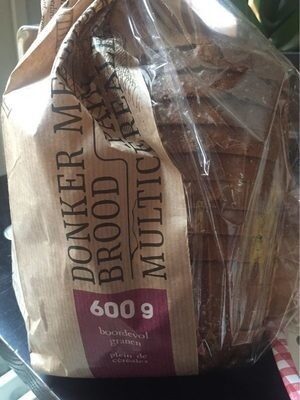
Pain Multicereals
HALAL
📝 Reason: Most ingredients in ‘Pain Multicereals’ are plant-based and generally Halal. The only doubtful one is the emulsifier derived from mono- and diglycerides, which can be sourced from animal fats (possibly non-Halal) or plants. Since the source is not declared and no Halal logo is present, its Halal status remains doubtful. According to Islamic dietary law (Quran 5:3), animal-derived products must be Halal-slaughtered and declared. Always seek clarification from the manufacturer or look for Halal certification for confirmation.
🏷️ Category: Plant Based Foods And Beverages, Plant Based Foods, Cereals And Potatoes, Breads, Unleavened Breads, Fr:Pains Azymes A La Farine De Ble
📄 Certificates: Vegetarisch, Vegan
Ingredients:
Details
Understanding the Halal Status of Pain Multicereals
Pain Multicereals is a versatile bread that combines multiple grains and seeds for a healthy snack or meal option. This post specifically addresses the Halal status of Pain Multicereals, an important consideration for consumers adhering to Islamic dietary laws.
What Does Halal Mean?
Halal refers to what is permissible or lawful in traditional Islamic law as it relates to food, actions, and conduct. Specific guidelines dictate which substances and practices are allowed. To comply with Halal standards, all animal-derived products must be from Halal-slaughtered animals and clearly labeled.
Is Pain Multicereals Halal?
The good news is that **Pain Multicereals** is categorized as Halal, but with some nuances that we need to explore further.
Ingredient Breakdown
Let’s look deeper into the ingredients:
- Wheat Flour: A fundamental component, wheat flour is plant-based and universally accepted as Halal unless contaminated. Source
- Pumpkin Seeds: These seeds are also 100% plant-based and considered Halal. Source
- Flax Seeds: Similar to pumpkin seeds, flax seeds are plant-sourced and naturally Halal. Source
- Wheat Gluten: Derived solely from wheat, this ingredient is deemed Halal. Source
- Sunflower Seeds: Another Halal ingredient by default, derived from plants. Source
- Iodized Salt (salt, potassium iodide): Both of these additives are Halal mineral ingredients. Source
- Yeast: This microbial/plant-source ingredient is also permissible in Islam. Source
- Oats Flakes: Oats, being grains, are inherently Halal. Source
- Barley Malt Flour: Generally Halal unless alcohol is present; for bread, this is usually minimal. Source
- Malted Wheat Flakes: Another safe choice from grains, considered Halal. Source
- Caramelized Sugar: When caramelized without additives, sugar is Halal. Source
- Dextrose: Plant-based and thus Halal. Source
- Millet: A type of grain, always safe and Halal. Source
- Emulsifiers (E472e and E472f): While these can be from either plant or animal sources, the lack of specification might raise concerns. It’s vital to seek clarity on this. Source
- Rapeseed Oil: A plant-derived oil, making it Halal. Source
- Dehydrated Rye Sourdough: Composed of rye flour, yeast, and water, all these are Halal-friendly components. Source
Final Thoughts
Considering the ingredients in Pain Multicereals, most are Halal, except the emulsifier, which could come from an animal source. Therefore, while the overall product holds a Halal certification, we recommend that consumers exercise caution and seek confirmation from the manufacturer or look for specific Halal certification for assessing the risk associated with the emulsifier. Islamic dietary law emphasizes transparency regarding the source of all ingredients, so remain diligent when selecting products.
In summary, Pain Multicereals can be a wholesome addition to your diet; just ensure that cross-checking the Halal status aligns with your dietary practices!
