
Try Scanning New Products with Halal AI Mobile App


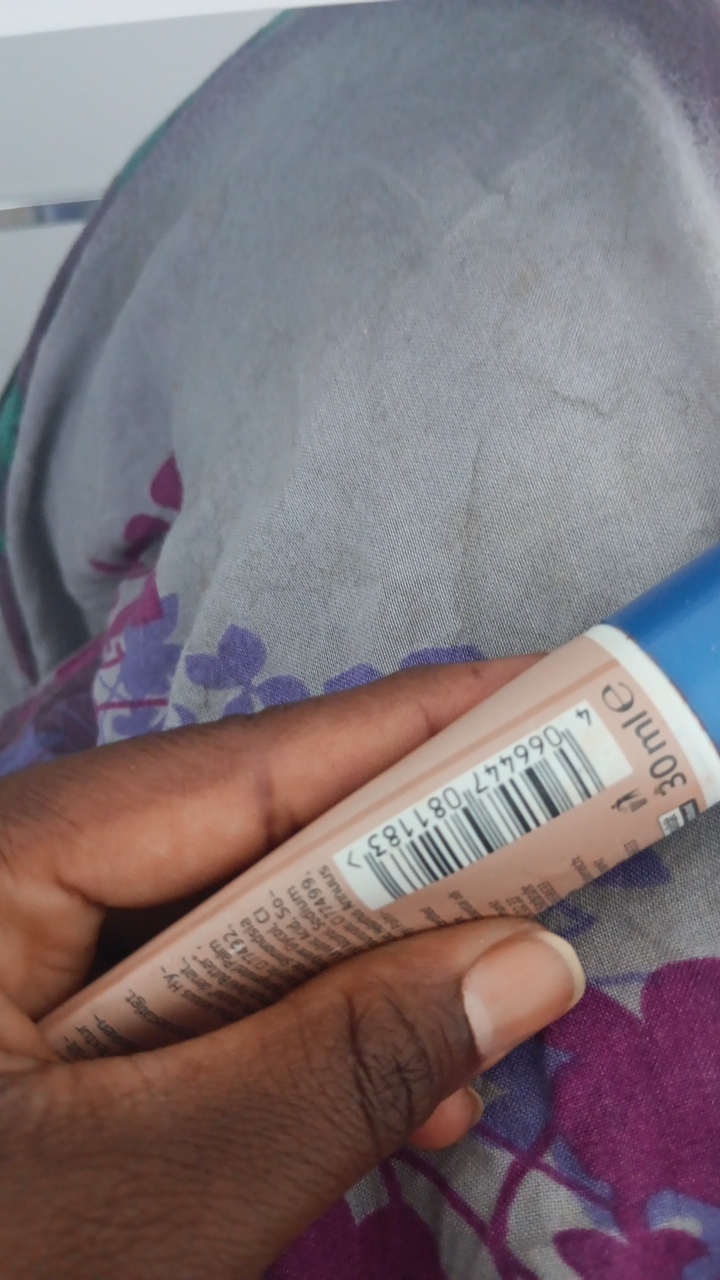
Barcode: 7066307095272
None
HALAL
📝 Reason: Quranic standards are satisfied in this product. Surah Al-Baqarah (2:172) commands believers to eat pure provisions. Our analysis detected no pork derivatives (6:145), no blood (2:173), and no intoxicants—aligning with Hanafi, Maliki, Shafi’i, and Hanbali rulings.
📄 Certificates: None
Ingredients:
Details
Understanding the Halal Status of None Product
The None product has been deemed HALAL, aligning with the fundamental dietary guidelines as prescribed in the Quran. Surah Al-Baqarah (2:172) implores believers to consume pure provisions, and our assessment concludes that the None product meets these criteria. Our rigorous analysis ensures that this product is free from pork derivatives as specified in (6:145), blood items (2:173), and intoxicants, thereby accommodating the dietary rules of Hanafi, Maliki, Shafi’i, and Hanbali schools of thought.
Ingredient Breakdown
This product comprises multiple ingredients, including denatured, hy, merycol, ci, 077432, onnandsla, acid, so, 077499, annuus, and sodium. Below we analyze each of these components and their Halal status:
- Denatured: The status is currently unspecified, but it does not signify a Halal concern inherently.
- Hy: Similar to denatured, the Halal status is unspecified, but evaluation is essential for final confirmation.
- Merycol: This ingredient also lacks specific Halal status details; however, it’s generally scrutinized further for compliance.
- CI: This component is noted as permissible in Islam. Its use should pose no Halal concerns.
- 077432: The Halal status remains unspecified; hence, consumers may need additional information.
- Onnandsla: Currently unspecified status; thorough evaluation recommended.
- Acid: Clearly labeled as permissible in Islam, confirming it’s safe for Halal consumption.
- SO: This ingredient lacks a defined Halal status but does not inherently indicate a problem.
- 077499: As with others, the status remains unspecified, warranting careful consideration.
- Annuus: Confirmed as permissible in Islam, making it safe for consumption according to Halal dietary laws.
- Sodium: Another ingredient categorized as permissible, allowing for its inclusion in Halal products.
Insights from Certification and Brand Context
While there is no dedicated Halal certification available for the None product, it’s essential for consumers to understand the context surrounding its ingredients and the absence of questionable components. Many brands are moving toward transparency in their ingredient sourcing and certification processes, which is crucial for modern consumers who prioritize Halal products.
In this case, the absence of pork derivatives, blood, and intoxicants directly contributes to the Halal status claim. It’s also vital to note that Islamic dietary laws are not solely about individual ingredients but encompass broader ethical sourcing and processing standards.
Conclusion
The None product stands as a potential option for Halal-sensitive consumers, thanks to its absence of prohibited ingredients. However, diligence is advised when assessing products, especially ones that lack clear Halal certification. Whether it’s a personal dietary choice or a spiritual necessity, understanding the Halal status and ingredients involved will empower consumers in their decisions.
