Posted in

Is None Halal? Exploring Ingredients and E-numbers

Try Scanning New Products with Halal AI Mobile App

None

Barcode for None

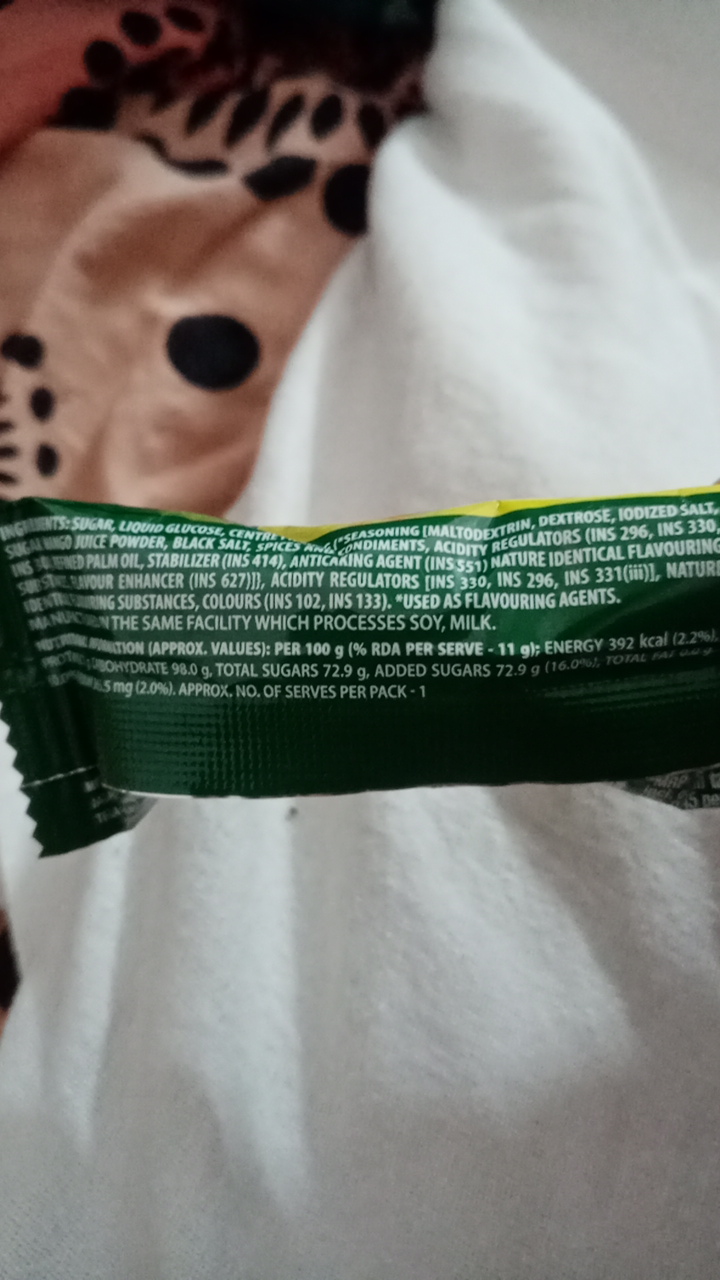
Barcode: 8909081000959

None

Product Status:
HALAL

📝 Reason: Based on the ingredient list, no Haram (forbidden) additives were found (such as E120, E124, E354, or E999). However, numerous ingredients are marked ‘Doubtful’ because their sources are unclear, which under Islamic dietary law (Quran 5:3, scholarly consensus, and major Halal bodies such as IFANCA) means Muslims should refrain unless a Halal certification is present. Examples include generic stabilizers, flavor enhancers, and unspecified nature-identical flavouring substances.

📄 Certificates: Vegetarisch

Ingredients:

Name: sugar
E-Code:
Status: HALAL
Details: Raw or refined sugar is generally Halal unless processed with bone char, but this is rare in most commercial products.

Name: liquid glucose
E-Code:
Status: HALAL
Details: Liquid glucose is Halal if derived from plant sources (corn, wheat). Most commercial liquid glucose is plant-based.

Name: centre
E-Code:
Status: DOUBTFUL
Details: Unclear ingredient – ‘centre’ provides no information about composition or source.

Name: sugalingo juice powder
E-Code:
Status: DOUBTFUL
Details: This is not a standard ingredient. Source and composition are unknown, thus classified as Doubtful.

Name: black salt
E-Code:
Status: HALAL
Details: Black salt (Kala Namak) is a mineral product and is Halal.

Name: spices and condiments
E-Code:
Status: HALAL
Details: Generic term for plant-based seasonings. Halal if nothing haram is mixed.

Name: acidity regulators
E-Code:
Status: DOUBTFUL
Details: Generic term, could include animal or synthetic acids. Without details, it is Doubtful.

Name: malic acid (E296)
E-Code: INS 296
Status: HALAL
Details: Malic acid is Halal if it is from plant or synthetic origin, which is almost always the case commercially.

Name: citric acid (E330)
E-Code: INS 330
Status: HALAL
Details: Citric acid is derived from plant sources or fermentation and is Halal.

Name: ins
E-Code:
Status: DOUBTFUL
Details: Unclear/Incomplete E-code listing (‘ins’), no data provided.

Name: burned palm oil
E-Code:
Status: HALAL
Details: Palm oil is always plant-based and considered Halal.

Name: stabilizer
E-Code:
Status: DOUBTFUL
Details: Non-specified stabilizer could be animal or plant-based. Doubtful without more details.

Name: gum arabic (E414)
E-Code: INS 414
Status: HALAL
Details: Gum arabic is plant-derived and Halal.

Name: anticaking agent
E-Code:
Status: DOUBTFUL
Details: Non-specific; possible animal, plant, or synthetic source. Doubtful without detail.

Name: silicon dioxide (E551)
E-Code: INS 551
Status: HALAL
Details: Silicon dioxide is a mineral-based anticaking agent considered Halal.

Name: nature identical flavouring substances
E-Code:
Status: DOUBTFUL
Details: Origin may be plant-based, synthetic, or animal-based. Doubtful if source not listed.

Name: flavour enhancer
E-Code:
Status: DOUBTFUL
Details: Flavour enhancers can be from animal, plant, or synthetic sources. Doubtful if not specified.

Name: disodium guanylate (E627)
E-Code: INS 627
Status: DOUBTFUL
Details: Can be derived from yeast (Halal) or animal sources (Doubtful). Source not specified.

Name: citric acid (E330)
E-Code: INS 330
Status: HALAL
Details: See previous entry for citric acid (E330).

Name: malic acid (E296)
E-Code: INS 296
Status: HALAL
Details: See previous entry for malic acid (E296).

Name: sodium citrate (E331iii)
E-Code: INS 331(iii)
Status: HALAL
Details: Sodium citrate is Halal, usually produced synthetically from citric acid.

Name: nature identical flavouring substances
E-Code:
Status: DOUBTFUL
Details: Same as previous nature identical flavour; source unclear, so Doubtful.

Name: colours
E-Code:
Status: DOUBTFUL
Details: Non-specific. Use of colorants varies; E102 and E133 listed separately, but non-specific colors are Doubtful.

Name: tartrazine (E102)
E-Code: INS 102
Status: HALAL
Details: Tartrazine is a synthetic lemon yellow dye and Halal.

Name: brilliant blue FCF (E133)
E-Code: INS 133
Status: HALAL
Details: E133 is synthetic and considered Halal.

Name: *used as flavouring agents
E-Code:
Status: DOUBTFUL
Details: No information about nature/source; thus, Doubtful.

Name: maltodextrin
E-Code:
Status: HALAL
Details: Derived from starch, mostly from corn or potatoes, and Halal if not processed with haram enzymes.

Name: dextrose
E-Code:
Status: HALAL
Details: A form of glucose sugar, almost always Halal.

Name: iodized salt
E-Code:
Status: HALAL
Details: Salt with added iodine; no Haram ingredients.

Details

Understanding the Halal Status of None

In today’s diverse food market, it’s essential to understand whether the products we consume adhere to our dietary beliefs—particularly for those adhering to Islamic dietary laws. Here, we delve into the Halal status of None, examining its ingredient list thoroughly to ensure you can make informed choices regarding your dietary practices.

The Halal Verdict

The product None has been classified as Halal. This determination arises from a careful analysis of its ingredients, none of which contain forbidden (Haram) additives. However, some components exhibit “Doubtful” status due to ambiguous sourcing information, suggesting caution unless Halal certification is verified.

Ingredient Breakdown

The comprehensive ingredient list includes:

  • Sugar: Generally Halal unless processed with bone char; rare in commercial products. Source
  • Liquid Glucose: Usually Halal if derived from plant sources; most typical commercial liquid glucose is plant-based. Source
  • Centre: Ambiguous term providing no clarity on composition or source, hence classified as Doubtful. Source
  • Sugalingo Juice Powder: Not a standard ingredient with unclear source and composition, classified as Doubtful. Source
  • Black Salt: Known as Kala Namak, a mineral product that is Halal. Source
  • Spices and Condiments: A generic term for Halal plant-based seasonings, provided no Haram substances are mixed. Source
  • Acidity Regulators: This generic term may encompass animal or synthetic acids, thus classified as Doubtful. Source
  • Malic Acid (E296): Typically Halal if derived from plant or synthetic sources, as is mostly the case.
  • Citric Acid (E330): Derived from plant sources or fermentation, making it Halal.
  • Burned Palm Oil: Always plant-based and categorized as Halal. Source
  • Gum Arabic (E414): A plant-derived ingredient considered Halal. Source
  • Silicon Dioxide (E551): A mineral-based anticaking agent and Halal friendly.
  • Flavour Enhancer: Can derive from plant, animal, or synthetic sources. This ingredient is classified as Doubtful due to lack of specification.
  • Disodium Guanylate (E627): Potential animal-derived sources classify this E-number as Doubtful.
  • Sodium Citrate (E331iii): Generally Halal and often produced from citric acid.
  • Tartrazine (E102) & Brilliant Blue FCF (E133): Both are synthetic colorants considered Halal.
  • Maltodextrin & Dextrose: Typically Halal unless processed with Haram enzymes.
  • Iodized Salt: Convenient and safe to consume, with no Haram ingredients.

Halal Certification Context

While None is primarily Halal, consumers should take special note of the Doubtful ingredients, particularly those with unclear sources. These can include generic stabilizers, unspecified flavor enhancers, or vague sourcing for flavoring substances, which may necessitate Halal certification. Major Halal certifying bodies, such as IFANCA, advocate a confirmatory approach, responding to Quranic guidelines (5:3) regarding the consumption of doubtful items.

In conclusion, None offers a Halal status that is backed by scrutiny of its ingredients and E-numbers. The best practice for conscientious consumers remains to verify Halal certification where Doubtful substances are present. By doing so, you can ensure your dietary choices align perfectly with your beliefs.

Leave a Reply

Your email address will not be published. Required fields are marked *