
Try Scanning New Products with Halal AI Mobile App


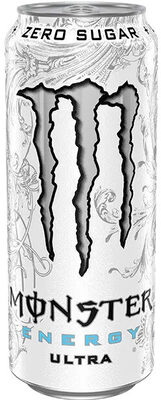
Barcode: 5060337508445
Monster Energy Ultra
DOUBTFUL
📝 Reason: Certain components in this product have ambiguous Islamic rulings. Consultation with a qualified Halal certification authority is strongly recommended before consumption.
🏷️ Category: Beverages And Beverages Preparations, Beverages, Artificially Sweetened Beverages, Energy Drinks
📄 Certificates: None
Ingredients:
Details
Exploring the Halal Status of Monster Energy Ultra
When it comes to energy drinks, many consumers are not only concerned about taste and efficacy but also about the Halal status of the products they consume. One of the popular choices on the market is the Monster Energy Ultra. However, the Halal status of this product is DOUBTFUL, leading many to question if it’s suitable for a Halal lifestyle.
Why Halal Status Matters
Halal dietary laws stem from Islamic principles that define what is permissible for Muslims to consume. As such, energy drinks must be scrutinized for their ingredients, additives, and preparation processes. In the case of Monster Energy Ultra, while many components are generally regarded as permissible, there are also elements that raise questions.
Ingredients Breakdown
The ingredient list for Monster Energy Ultra includes:
- ADDED WATER WITH CARBON DIOXIDE
- ACIDULANT: CITRIC ACID
- TAURINE (0.4%)
- ACIDITY REGULATOR (SODIUM CITRATES)
- FLAVORS
- PANAX GINSENG EXTRACT (0.08%)
- SWEETENERS (SUCRALOSE, ACESULFAME K)
- CAFFEINE (0.03%)
- PRESERVATIVES (SORBIC ACID, BENZOIC ACID)
- L-CARNITINE L-TARTRATE (0.015%)
- VITAMINS (NIACIN, PANTOTHENIC ACID, B6, B12)
- SODIUM CHLORIDE
- D-GLUCURONOLACTONE
- GUARANA SEED EXTRACT (0.002%)
- INOSITOL
Analysis of E-Numbers and Ingredients
Understanding the E-numbers and their sources plays a crucial role in determining the Halal status. Let’s analyze some key ingredients listed above:
- E290 – Carbon Dioxide: This is essentially added water with no Halal concerns.
- CITRIC ACID: A common acidulant considered permissible in Islam.
- TAURINE (0.4%): Often derived from animals, but commercially, it can be synthetically produced making it halal. Its source needs clarification.
- SODIUM CITRATES: This acidity regulator is permissible under Islamic guidelines.
- FLAVORS: Depending on their source, these can sometimes be extracted from Haram substances, so it’s essential to verify.
- PANAX GINSENG EXTRACT (0.08%): Generally permissible.
- SWEETENERS (SUCRALOSE, ACESULFAME K): Both of these sweeteners are typically considered halal.
- CAFFEINE: A naturally occurring substance, widely accepted as halal.
- PRESERVATIVES (SORBIC ACID, BENZOIC ACID): While sorbic acid is permissible, benzoic acid( E210) can sometimes raise concerns and may not always be Halal based on its origin.
- L-CARNITINE L-TARTRATE (0.015%): Often derived from animal sources, it may require verification.
- VITAMINS (NIACIN, PANTOTHENIC ACID, B6, B12): These are typically considered halal unless derived from non-halal sources.
- SODIUM CHLORIDE: A crystal commonly recognized as halal.
- D-GLUCURONOLACTONE: Generally recognized as halal.
- GUARANA SEED EXTRACT (0.002%) and INOSITOL: Both permissible.
Given the mix of ingredients, certain components in Monster Energy Ultra have ambiguous rulings under Islamic law. Whether or not this energy drink can be classified as Halal requires careful consideration of the sources for these ingredients, particularly taurine, flavors, and the preservatives.
Final Thoughts
If you’re considering consuming Monster Energy Ultra, it is imperative to conduct further research or reach out to a qualified Halal certification authority. While many ingredients are permissible, there’s still doubt surrounding specific components of this popular energy drink. Always prioritize your dietary needs and beliefs when making your choices.
