
Try Scanning New Products with Halal AI Mobile App


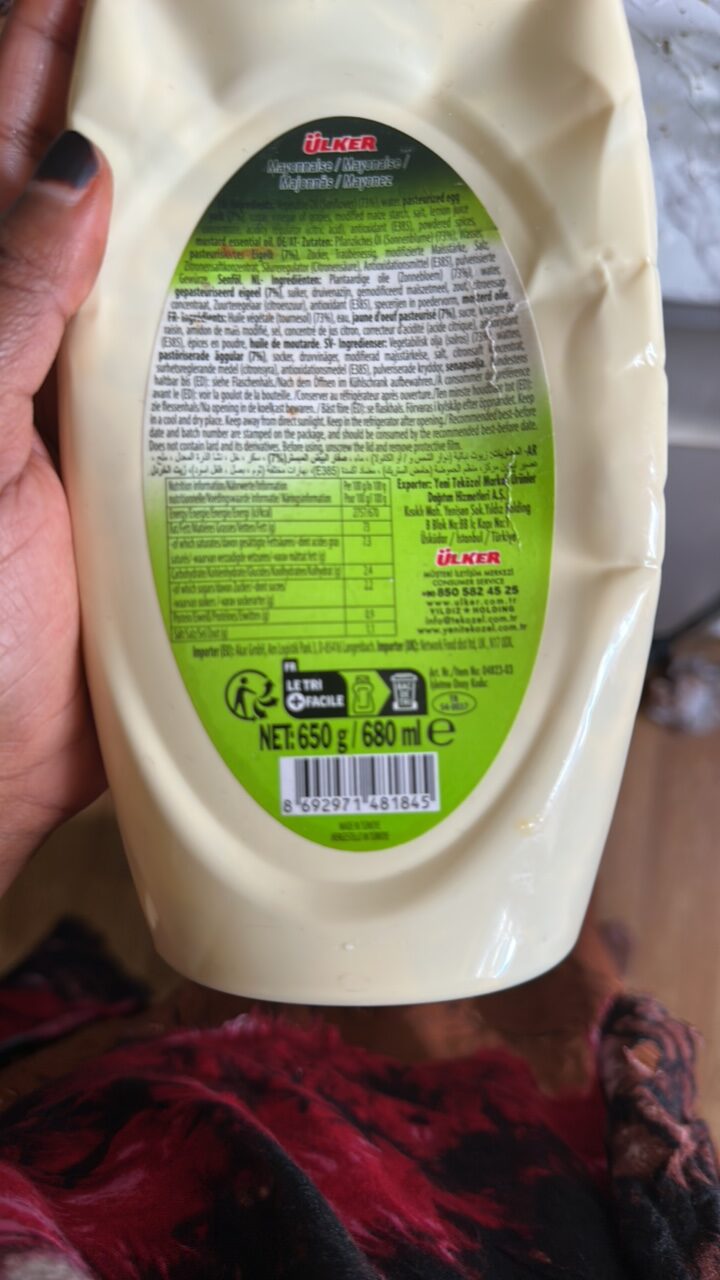
Barcode: 692391481805
Mayonnaise
HALAL
📝 Reason: The product’s listed ingredients do not include any haram or doubtful items such as pork, alcohol, or non-Halal ecodes. All ingredients are plant, mineral, or egg-based, which are generally Halal by default unless contaminated during processing. No haram E-codes or meat byproducts are declared. This assessment aligns with general Islamic Halal certification practices. (See Quran 5:3 and IFANCA guidelines.)
🏷️ Category: Condiment, Sauce
📄 Certificates: Net: 650 G / 680 Ml, Le Tri Facile, Vegetarisch
Ingredients:
Details
Understanding the Halal Status of Mayonnaise
As consumers become more conscious of their dietary restrictions based on religious beliefs, the demand for clarity on the Halal status of various food items, including condiments like mayonnaise, has increased significantly. This article delves into the Halal status of mayonnaise, focusing on its ingredients, E-numbers, and ensuring you have all the information to make an informed choice.
What Makes Mayonnaise Halal?
The Halal classification of mayonnaise is grounded in its constituent ingredients. The current formulation includes:
- Vegetable oil
- Pasteurized egg
- Sugar
- Vinegar
- Modified corn starch
- Salt
- Lemon juice
- Mustard essential oil
- Antioxidant
- Spices
To establish its Halal legitimacy, we will review each ingredient to ensure no haram or doubtful substances are present.
Ingredient Breakdown
Let’s take a closer look at each ingredient and its status:
- Vegetable oil: Being plant-derived, vegetable oils are generally considered Halal unless they become contaminated with non-Halal substances during production. Source
- Pasteurized egg: Eggs from Halal sources (like chicken) are Halal, provided they are not mixed with haram substances. Source
- Sugar: Typically Halal when sourced from cane or beet, as long as it’s not processed using bone char from non-Halal animals. Source
- Vinegar: Most Islamic scholars agree that vinegar is Halal, even if derived from wine as long as it undergoes complete fermentation. Source
- Modified corn starch: As a plant-based ingredient, it’s Halal unless processed with haram agents. This mayonnaise formulation does not indicate any such modifications. Source
- Salt: Pure salt is a mineral and is always Halal. Source
- Lemon juice: Derived from fruit, lemon juice is inherently Halal. Source
- Mustard essential oil: This oil is derived from plants and is thus Halal. Source
- Antioxidant: Common antioxidants like E300 (ascorbic acid) are Halal if synthetic or plant-based; this mayonnaise does not specify any haram E-codes. Source
- Spices: Natural spices are generally Halal, provided they are not mixed with alcohol or haram flavorings. Source
Conclusion
Given that none of the ingredients listed in this mayonnaise are haram or derived from non-Halal sources, we confidently affirm that this mayonnaise is Halal. The product adheres to general Islamic Halal certification practices and aligns with guidance from the Quran (5:3) and organizations like IFANCA. For those seeking Halal condiments for their meals, this mayonnaise stands as a suitable and delicious option.
With certifications stating Net: 650 G / 680 Ml, this mayonnaise fits neatly into the condiment and sauce categories, making it a versatile addition to various dishes. Always look for certified Halal labels when purchasing or consuming products to ensure compliance with your dietary preferences.
