
Try Scanning New Products with Halal AI Mobile App


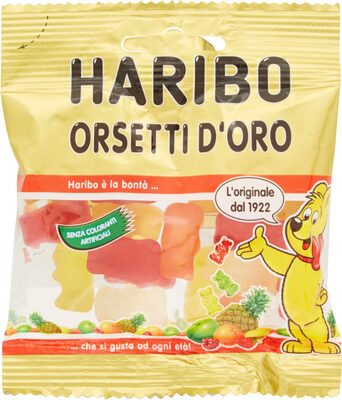
Barcode: 3103220030431
L’ours d’or
DOUBTFUL
📝 Reason: The Halal status cannot be conclusively determined due to uncertain components. Additional manufacturer disclosure is needed for proper Islamic evaluation.
🏷️ Category: Snacks, Sweet Snacks, Confectioneries, Candies, Gummi Candies, Gummy Bears
📄 Certificates: No Colorings
Ingredients:
Details
Understanding the Halal Status of L’ours d’or
When it comes to choosing snacks that comply with Islamic dietary laws, the Halal status of a product is crucial for many consumers. In this post, we will explore whether the popular candy, L’ours d’or, holds Halal integrity by evaluating its ingredients and any possible concerns.
Halal Status Overview
The overall Halal status of L’ours d’or is deemed doubtful. This is primarily due to the presence of gelatin and the uncertainty surrounding its source. For a conclusive determination of its Halal status, it is recommended to seek further information from the manufacturer regarding the specific type of gelatin used and any associated certifications.
Ingredients Breakdown
- Glucose Syrup: Permissible in Islam.
- Sugar: Permissible in Islam.
- Gelatin (E441): Its Halal status is questionable. Gelatin can be derived from both Halal and non-Halal sources. It’s important to check for a Halal certification.
- Dextrose: Permissible in Islam.
- Citric Acid: Permissible in Islam.
- Concentrated Fruit Juices (Apple, Orange, Lemon, etc.): All these fruit components are Halal. However, they should not be contaminated with non-Halal agents during processing.
- Flavor: Typically permissible unless otherwise stated.
- Coating Agents: White and yellow beeswax and carnauba wax are permissible in Islam as they are derived from natural sources.
Detailed Analysis of E-Numbers and Ingredients
Let’s delve deeper into the Halal status of individual E-numbers and ingredients found within L’ours d’or:
- Glucose Syrup: Derived from starch and is commonly used in the candy-making process. This ingredient is widely accepted as Halal.
- Sugar: A staple in many confections, sugar does not conflict with Halal guidelines.
- Gelatin (E441): This is a critical component, and its Halal status largely depends on how it’s sourced. It can be extracted from non-Halal animals, hence the need for caution and verification through Halal certification.
- Dextrose: Another sugar product that is Halal.
- Citric Acid: Often derived from citrus fruits or fermenting sugar, citric acid is generally Halal unless processed with non-Halal ingredients.
- Concentrated Fruit Juices: These are derived from various fruits like apple, orange, lemon, and more, which are confirmed Halal unless contaminated during processing.
- Flavors: The specifics of “flavor” can vary; however, in most cases, if not labeled otherwise, they are considered acceptable in Halal products.
- Wax Coatings: Both beeswax and carnauba wax are natural products and are considered Halal, contributing to the surface texture of the candies.
Conclusion
While many ingredients found in L’ours d’or are generally acceptable within a Halal diet, the uncertainty surrounding the gelatin source means further clarification from the manufacturer is essential for a confident Halal determination. As consumers, we must stay informed and prioritize transparency in ingredient sourcing, especially when it pertains to dietary laws. Always look for Halal certifications to ensure products like L’ours d’or meet your dietary standards.
