
Try Scanning New Products with Halal AI Mobile App


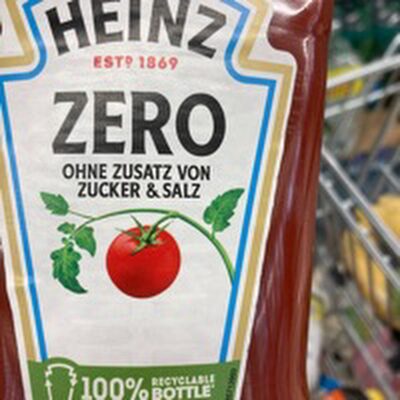
Barcode: 8715700125374
Ketchup zero
HALAL
📝 Reason: All listed ingredients are of plant or mineral origin, or synthetic with no evidence of being derived from haram animal or alcoholic sources. None match the ‘Haram_Ecodes_list’ nor present typical issues per standard Halal guides. Halal compliance is reinforced by vegan labeling found. (Quran 5:3, IFANCA, www.foodchemadditives.com)
🏷️ Category: Condiments, Sauces, Tomato Sauces, Ketchup, Gewurzmittel
📄 Certificates: No Gluten, Vegetarian, No Preservatives, Vegan, Green Dot, Vegetarisch, Vegan
Ingredients:
Details
Understanding Ketchup Zero’s Halal Status
As the popularity of Halal foods continues to rise, many consumers are keen to know the Halal status of everyday condiments such as Ketchup Zero. This ketchup variant claims to have zero sugar, making it a popular choice for health-conscious individuals. In this post, we will dive deep into its ingredients and determine whether Ketchup Zero meets Halal standards.
Ingredients Breakdown
The ingredients of Ketchup Zero include:
- Tomatoes
- Distilled vinegar
- Concentrated lemon juice
- Potassium chloride
- Acidity regulator (malic acid)
- Citrus fibers
- Spice and herb extracts (contains celery)
- Sweetener (sucralose)
Let us examine each ingredient and its Halal status in detail.
1. Tomatoes
Tomatoes are a naturally grown vegetable and are celebrated for their assorted health benefits. They contain no animal derivatives, alcohol, or haram additives, ensuring their complete Halal status. For more information, visit IFANCA.
2. Distilled Vinegar
Distilled vinegar is Halal as the process of distillation removes any potential alcoholic content. It is widely accepted by major Halal certifiers, making it a safe ingredient in this condiment. For more insights, check out Sound Vision.
3. Concentrated Lemon Juice
This ingredient is simply a natural fruit extract, inherently Halal and offers a tangy flavor without compromising dietary restrictions. Delve deeper into this ingredient’s status at Eat Halal.
4. Potassium Chloride
Potassium chloride is a mineral salt that is permitted in Halal foods and is not derived from animal sources. It serves as a flavorful alternative to sodium chloride. More details can be found at Food Chem Additives.
5. Acidity Regulator (Malic Acid)
Malic acid (E296) is made from fruits or synthetic sources and holds a Halal status. It is used in many processed foods to enhance flavor and balance acidity. You can read more about it at Food Guide.
6. Citrus Fibers
Derived from citrus fruit peels, citrus fibers are entirely Halal and provide additional texture and nutritional benefits to the ketchup. For further reading, visit IFANCA.
7. Spice and Herb Extracts (Includes Celery)
These extracts are naturally Halal. Spices and herbs offer flavor without entering into haram processing, ensuring they stay within Halal guidelines. More on this can be found at IFANCA.
8. Sweetener (Sucralose)
Sucralose, known as E955, is a synthetic sweetener that is widely recognized as Halal. It’s a safe alternative for those avoiding sugar. For comprehensive information, check Halal Hive.
Conclusion: Is Ketchup Zero Halal?
Based on the examination of its ingredients and the sources referenced, Ketchup Zero is confirmed to be Halal. Each component is derived from either plant or mineral origins, with no evidence leading to haram contamination. This conclusion aligns with various guidelines provided by Halal certifying bodies, ensuring peace of mind for Halal-conscious consumers.
Additionally, Ketchup Zero is labeled as vegan, gluten-free, and preservative-free, reinforcing its wholesome appeal. As such, it fits well within various diets while meeting Halal compliance standards.
In summary, enjoy Ketchup Zero without worry, knowing that it fulfills both taste and dietary requirements.
