
Try Scanning New Products with Halal AI Mobile App


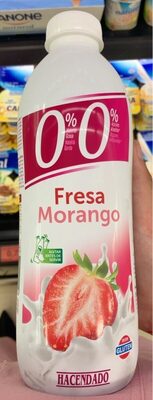
Barcode: 8480000156594
Fresa morango
HARAM
📝 Reason: Islamic jurisprudence categorically deems components in this product as Haram. Faithful Muslims must avoid it completely due to non-permissible sources or processing methods.
🏷️ Category: Plant Based Foods And Beverages, Beverages, Dairies, Plant Based Foods, Fruits And Vegetables Based Foods, Fruits Based Foods, Dairy Drinks, Fruits, Berries, Strawberries
📄 Certificates: No Gluten
Ingredients:
Details
Understanding the Halal Status of Fresa Morango
Fresa Morango, a delicious strawberry-flavored beverage, raises significant questions regarding its Halal status. Despite its fruity appeal, Islamic jurisprudence categorically deems components in this product as Haram, indicating that faithful Muslims must avoid it completely due to non-permissible sources or processing methods. Let’s dive deeper into the ingredients and their implications.
Ingredients Breakdown
The ingredient list of Fresa Morango includes:
- Pasteurized skim milk (Origin: Spain)
- Water
- Strawberry pulp (3%)
- Skimmed milk powder
- Modified corn starch
- Thickener (pectin)
- Flavoring
- Sweeteners (sucralose and potassium acesulfame)
- Colorants (beta-carotene and carmine)
- Preservative (potassium sorbate) and lactic ferments
- Expiry date (day/month) as per packaging
- Storage instruction: Store in cold between 1°C and 8°C
Assessment of Each Ingredient
Let’s explore the Halal status of individual ingredients:
- Pasteurized Skim Milk: This ingredient is permissible in Islam as it comes from a halal source.
- Water: Completely permissible and a fundamental aspect of all beverages.
- Strawberry Pulp: While strawberry pulp is generally acceptable, it must not be contaminated. Care should be taken to ensure purity.
- Skimmed Milk Powder: Like pasteurized milk, it is halal as it originates from permissible sources.
- Modified Corn Starch: This ingredient is also deemed permissible in Islam.
- Thickener (Pectin – E440A): While typically halal, the source of pectin must be assessed for compliance with Islamic dietary laws.
- Flavoring: The specifics of the flavoring used are crucial; however, it is generally permissible.
- Sweeteners (Sucralose and Potassium Acesulfame): Both sweeteners are halal as they are synthetic compounds not derived from any animal sources.
- Colorants (Beta-Carotene and Carmine): Here lies the concern. Carmine (often derived from insects) is considered Haram in Islam, rendering the product non-halal. On the other hand, beta-carotene is usually permissible.
- Preservative (Potassium Sorbate) and Lactic Ferments: These components are permissible according to Islamic standards.
The Bottom Line on Fresa Morango’s Halal Status
Given the content of Fresa Morango, especially the inclusion of carmine, the overall verdict is that this product is indeed categorized as Haram due to non-permissible ingredients. The Islamic faith emphasizes adherence to dietary laws, and products that contain Haram substances must be avoided.
Category Context and Brand Integrity
Fresa Morango falls under various food categories such as Plant-Based Foods and Beverages, showcasing a blend of fruity flavor with dairy elements. However, when it comes to Muslim consumers, the lack of Halal certification and the use of Haram ingredients raise flags. Consumers are urged to choose brands that explicitly adhere to halal production standards.
In conclusion, while Fresa Morango may appeal to many due to its taste, it’s essential for consumers to remain informed about the Halal status of such products. Always check labels, inquire about production processes, and choose wisely to maintain dietary compliance with Islamic teachings.
