
Try Scanning New Products with Halal AI Mobile App


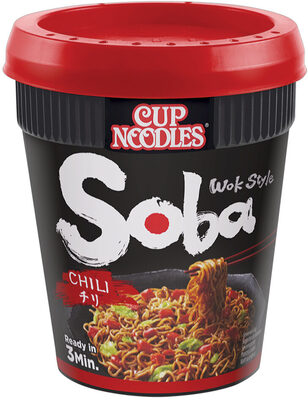
Barcode: 5997523315535
Soba Chilli Noodles
DOUBTFUL
📝 Reason: The Halal status remains indeterminate for some components. Final determination requires knowledge of exact formulations and manufacturing processes.
🏷️ Category: Plant Based Foods And Beverages, Plant Based Foods, Dried Products, Pastas, Dried Products To Be Rehydrated, Noodles, Instant Noodles, Soba
📄 Certificates: None
Ingredients:
Details
Understanding the Halal Status of Soba Chilli Noodles
Soba Chilli Noodles are a popular choice for those seeking quick and tasty meals. However, many consumers wonder about the halal status of this product. In this comprehensive guide, we will analyze the ingredients of Soba Chilli Noodles, discuss their halal status, and provide clarity on specific components that impact halal compliance.
What Does Halal Mean?
Halal is an Arabic term that means permissible in Islam. For a food product to be deemed halal, it must not contain any ingredients derived from prohibited sources. Additionally, the manufacturing processes must also comply with Islamic guidelines.
Halal Status of Soba Chilli Noodles
The halal status of Soba Chilli Noodles is currently classified as DOUBTFUL. This uncertain classification arises from certain ingredients and flavor enhancers used in the product. To make an informed decision, let’s analyze the various components that are part of the noodles.
Ingredient Breakdown
- Noodles (71.7%): Composed primarily of wheat flour, palm oil, and salt, all of which are permissible in Islam.
- Flavor Enhancer (E621): This component causes concern as E621—monosodium glutamate (MSG)—can be derived from both animal and plant sources. Its halal status is not guaranteed unless specified.
- Acidity Regulators (Sodium Carbonate, Citric Acid): Both these regulators are permissible in Islam.
- Stabilizer (E451): This ingredient is also halal.
- Antioxidants (E306): While antioxidants enhance shelf life, E306 generally raises questions about its source. Hence, it is considered doubtful.
- Flavor Enhancers (E635): Similar to E621, this enhancer poses potential problems for halal certification, compelling consumers to check its source.
- Soy Sauce: Typically made from fermented soybeans, this ingredient is halal as long as it does not contain haram (forbidden) elements.
- Color (E150c): While generally considered safe, its halal status can depend on the source and processing methods.
- Vegetables and Spices: Ingredients such as cabbage, red bell pepper, and chili powder are halal and provide essential nutrients.
- Allergen Information: The product may contain traces of celery, crustaceans, fish, milk, mollusks, mustard, and sesame, which should be a concern for those with specific dietary restrictions.
Conclusion
The overall halal status of Soba Chilli Noodles remains indeterminate due to the presence of various challenging ingredients like flavor enhancers E621 and E635 along with antioxidants E306. While many components of the noodles are permissible in Islam, the ambiguity surrounding certain additives necessitates caution.
Final Thoughts
For those adhering to halal dietary guidelines, it is advisable to contact the manufacturer directly to inquire about the exact formulations and manufacturing processes ensuring that they meet halal standards. Understanding the complexities of ingredients, particularly when it comes to flavor enhancers and additives, plays a crucial role in making informed choices in our diets.
As consumers, our responsibility to ensure we eat halal products remains paramount. Understanding and evaluating ingredients like those found in Soba Chilli Noodles, along with the quest for halal certification, can greatly aid in maintaining dietary integrity.
