
Try Scanning New Products with Halal AI Mobile App


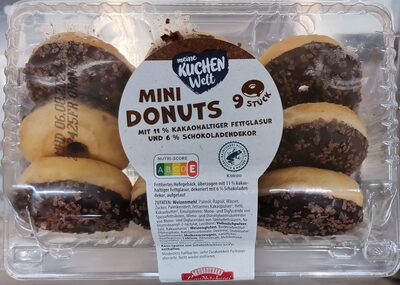
Barcode: 4061461435332
Mini-Donuts – Kakao
HALAL
📝 Reason: Several ingredients such as mono- and diglycerides, sodium stearoyl lactylate, lecithins, and natural vanilla flavor can be Halal or Haram depending on their sources. If animal-derived, or if alcohol is used in flavors, the product may not be Halal. Since the sources are not specified and no Halal certification is present, these ingredients are Doubtful. Based on Islamic guidelines (Quran 5:3 and IFANCA), the product must be marked as Doubtful. See also: www.foodchemadditives.com and IFANCA resources.
🏷️ Category: Snacks, Sweet Snacks, Biscuits And Cakes, Cakes, Doughnuts, De:Hefegebäck
📄 Certificates: Nutriscore, Nutriscore Grade E, Rainforest Alliance, Rainforest Alliance Cocoa, Vegetarisch
Ingredients:
Details
Understanding the Halal Status of Mini-Donuts – Kakao
When it comes to dietary choices, understanding the Halal status of food products is crucial for many consumers. The Mini-Donuts – Kakao has sparked interest among those who adhere to Halal dietary laws. In this article, we will explore the ingredients used, potential concerns, and overall Halal status of the Mini-Donuts – Kakao.
Ingredients Breakdown
The ingredient list of Mini-Donuts – Kakao includes a variety of components. Here’s a detailed analysis of each:
- Wheat flour: A plant-based ingredient, generally Halal. (Source)
- Palm oil: A vegetable oil that is Halal. (Source)
- Rapeseed oil: This is also a halal vegetable oil. (Source)
- Water: Pure and Halal. (Source)
- Sugar: Generally Halal but depends on processing. (Source)
- Palm kernel fat: This is plant-based fat and Halal. (Source)
- Low-fat cocoa powder: A plant-based ingredient that is Halal. (Source)
- Yeast: This microorganism is Halal. (Source)
- Cocoa butter: Plant-based and Halal. (Source)
- Emulsifiers: These are mono and diglycerides of food fatty acids, and their Halal status is uncertain because they can be derived from either animal or plant sources. If animal-derived, it must meet Halal slaughter standards. (Source)
The long list of ingredients, while intricate, includes several components that raise doubts:
- Sodium stearoyl-2-lactylate and Lecithins: These emulsifiers can also be derived from animal sources, making them potentially non-Halal unless specified otherwise. (Source)
- Natural vanilla flavor: This may contain alcohol as a carrier, contributing to its uncertainty. Unless specified, it is considered doubtful. (Source)
Given the presence of several doubtful ingredients, while the Mini-Donuts – Kakao primarily consists of Halal ingredients, the uncertain ones necessitate caution. As a result, the overall status of the product remains uncertain.
Certification Context
Currently, the Mini-Donuts – Kakao does not have a Halal certification, which further complicates matters for consumers. The absence of Halal certification can lead to doubts regarding the manufacturing process and ingredient sources. While it may meet the standards of being predominantly Halal-friendly, these risks highlight the necessity of third-party verification for peace of mind.
Conclusion
In summary, Mini-Donuts – Kakao contains an array of ingredients, many of which have been deemed Halal. However, critical components such as emulsifiers and flavorings introduce complexity into the Halal designation, rendering it doubtful. Consumers are encouraged to exercise caution and consult with trusted Halal resources or authorities before making a dietary decision regarding this product. For further inquiries, refer to the Food Chemistry Additives website or IFANCA resources.
