
Try Scanning New Products with Halal AI Mobile App


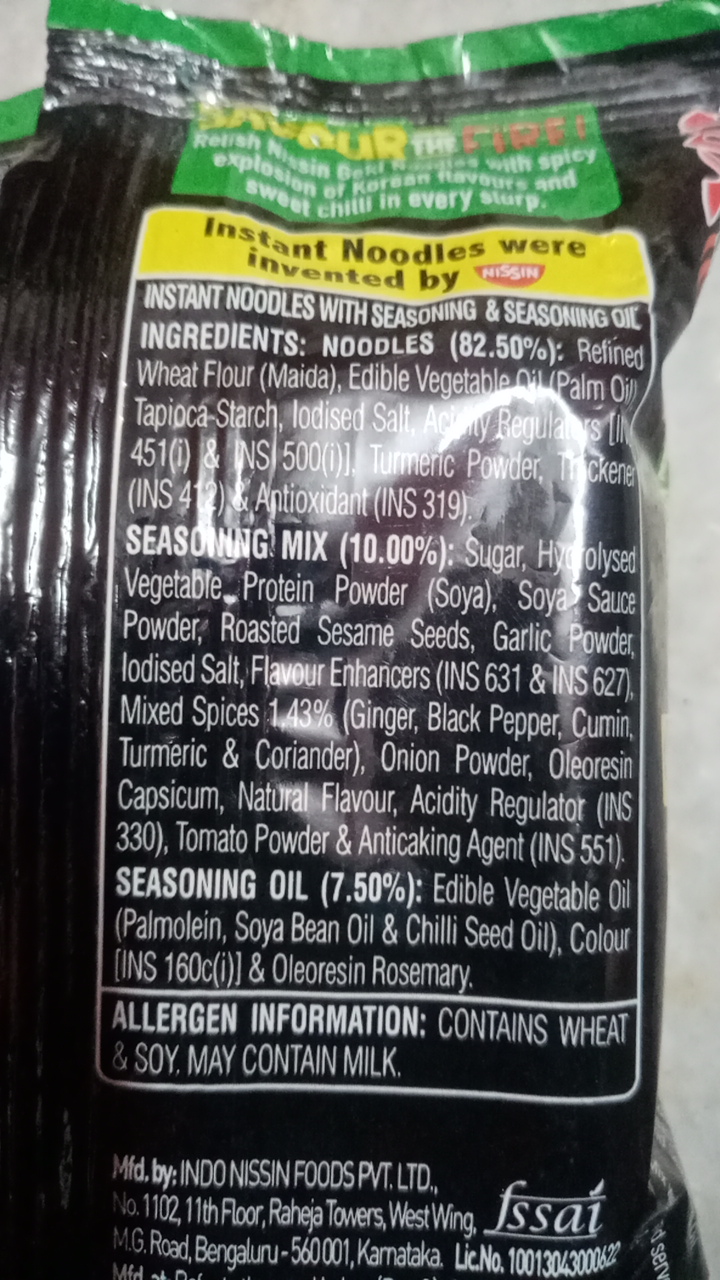
Barcode: 8901014000159
instant noodles
HALAL
📝 Reason: All ingredients listed are plant-based or derived from permissible sources, with no Haram E-codes or meat products present. Therefore, the product is considered Halal. Islamic dietary laws permit the consumption of plant-based ingredients unless they are contaminated with Haram substances or derived from Haram sources.
🏷️ Category: Noodles
📄 Certificates: None
Ingredients:
Details
Understanding the Halal Status of Instant Noodles
When it comes to dietary choices, the Halal status of food products is essential for many people, especially in the Muslim community. In this post, we will thoroughly explore the Halal status of Instant Noodles, shedding light on each ingredient and their positions under Islamic dietary laws.
Halal Status Overview
The Halal status of Instant Noodles is confirmed as HALAL. This determination is based on the composition of ingredients, where all listed elements are either plant-based or derived from permissible sources. Importantly, there are no Haram E-codes or meat products involved. According to Islamic dietary guidelines, plant-based ingredients are permissible unless contaminated with non-Halal substances.
A Closer Look at Ingredients
Here we dissect the primary ingredients used in Instant Noodles, with a focus on their Halal status:
- Refined Wheat Flour (Maida): A plant-based ingredient that is generally considered Halal.
- Edible Vegetable Oil (Palm Oil): This is a plant-based oil and is also considered Halal.
- Tapioca Starch: Derived from cassava root, it is typically seen as Halal.
- Iodised Salt: A mineral-based product, which is universally accepted as Halal.
- Acidity Regulators: These agents function as pH control; they are generally Halal unless derived from Haram sources.
- Turmeric Powder: A plant-based spice, known for its health benefits, and is accepted as Halal.
- Thickener: Typically Halal unless it comes from a non-Halal source.
- Antioxidant: Also considered Halal unless derived from Haram origins.
- Sugar: Always Halal as it is plant-derived.
- Hydrolysed Vegetable Protein Powder (Soya): This is derived from soy and is generally seen as Halal.
- Soya Sauce Powder: Another soy derivative, also Halal.
- Roasted Sesame Seeds: A plant-based ingredient considered Halal.
- Garlic Powder: Plant-based and Halal approved.
- Flavour Enhancers and Mixed Spices: Generally Halal unless sourced from Haram ingredients.
- Ginger, Black Pepper, Cumin, Turmeric & Coriander, Onion Powder: All these spices are plant-based, hence Halal.
- Oleoresin Capsicum: Derived from chili peppers, it is Halal as well.
- Natural Flavour: Typically acceptable unless sourced from non-Halal elements.
- Tomato Powder: Plant-derived and Halal.
- Anticaking Agent: Considered Halal unless derived from Haram materials.
- Edible Vegetable Oil (Palmolein, Soya Bean Oil & Chilli Seed Oil): All these oils are derived from plants and are Halal.
- Colour and Oleoresin Rosemary: Generally accepted as Halal.
Final Thoughts
With the reviewed ingredients reflecting a Halal status, you can consume Instant Noodles with confidence. This product fits within a permissible framework according to Islamic dietary laws, making it a suitable choice for those who observe Halal conditions. Always remember to check for any additional certifications or updates from manufacturers to stay informed about dietary options.
Certification Status
While there are currently no specific Halal certifications for this batch of Instant Noodles, the absence of Haram ingredients reinforces its Halal compliance. Nevertheless, it’s a good practice to remain vigilant about sourcing and to stay updated with the product’s developmental stages.
In conclusion, the Instant Noodles in question uphold the principles of Halal consumption and maintain a blend of safety and health for your culinary choices.
