
Try Scanning New Products with Halal AI Mobile App


Barcode: 749395780318
milk
HALAL
📝 Reason: All listed ingredients are Halal according to major global Islamic certifiers and ingredient sources when free from cross-contamination and non-Halal processing aids. There are no animal meats, alcohol, haram ECodes (e.g., E120, E124, E354, E999) or questionable non-certified meats. Therefore, the ingredients are Halal, following Islamic dietary prohibitions (Quran 5:3, IFANCA).
🏷️ Category: Dairy, Chocolate
📄 Certificates: Vegetarisch
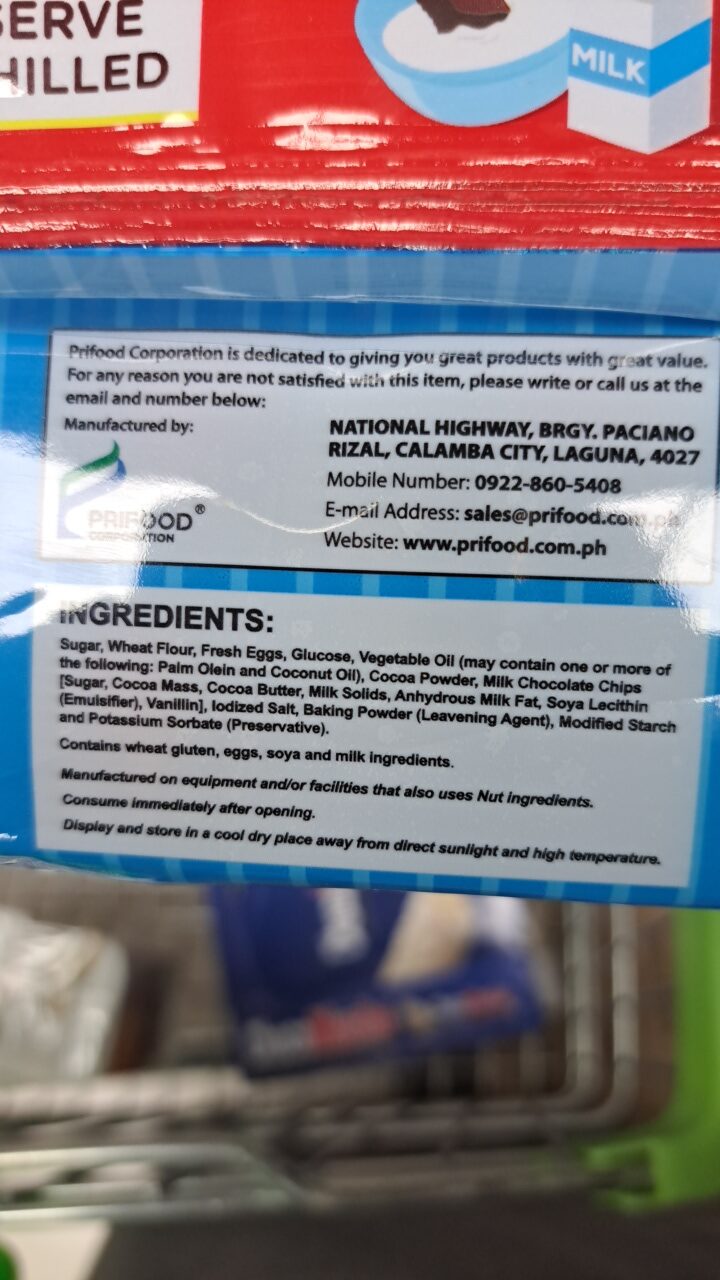
Ingredients:
Details
Understanding the Halal Status of Milk
Milk has been a staple in many diets around the world, but for those observing Halal dietary laws, the question arises: Is milk Halal? The answer is yes! Milk is universally regarded as Halal when sourced and processed properly. In this article, we will explore not only the Halal status of milk but also the ingredients commonly found in dairy products that might cause concerns.
Why is Milk Considered Halal?
The Halal status of milk hinges on the ingredients utilized and the processing methods involved. According to major global Islamic certifiers, milk is considered Halal provided it is free from contamination with non-Halal products and does not involve any haram (forbidden) processing aids. Additionally, the absence of animal-derived ingredients or alcohol in dairy products helps maintain their Halal status.
Ingredients Breakdown
Milk products often contain various ingredients. Let’s analyze the common ingredients in a typical milk product that confirms its Halal status:
- Sugar: Halal if plant-derived; bone char used in processing can be a concern.
- Wheat Flour: A plant-based ingredient that is universally regarded as Halal.
- Fresh Eggs: Halal when from permissible birds, with no additional impurities.
- Glucose: Usually derived from corn or starch, making it Halal.
- Vegetable Oil: Always Halal when from plant sources.
- Cocoa Powder: Derived from cocoa beans, also Halal.
- Milk Chocolate Chips: Halal given no non-Halal emulsifiers are used.
- Cocoa Mass and Cocoa Butter: Both are pure products from cocoa beans, Halal in nature.
- Milk Solids: Derived from milk, thus Halal.
- Anhydrous Milk Fat: Halal if it’s pure dairy-derived.
- Soya Lecithin: Plant-derived and accepted as Halal.
- Vanillin: A flavoring agent that can be synthetic or plant-derived, Halal.
- Iodized Salt: A mineral-sourced ingredient that is Halal.
- Baking Powder: Generally Halal unless contaminated with non-Halal substances.
- Modified Starch: Mostly plant-based and usually Halal, check specific standards.
- Potassium Sorbate: A common preservative, Halal as per its classification.
Certificates and Trust
While most of the ingredients listed above hold a Halal status, consumers should look for trustworthy certifications. The product should ideally have Halal certification from credible organizations or certifiers, ensuring that Islamic dietary laws were observed during production.
Conclusion
In summary, the ingredients in milk and other dairy products are predominantly Halal. The critical factor is ensuring that none of the ingredients becomes contaminated with non-Halal substances during the process. Always consult sources and certifications when purchasing dairy products.
For those who are cautious about their dietary choices, staying informed is paramount. By understanding the Halal status of milk and its ingredients, you can make confident choices that align with your dietary restrictions.
