
Try Scanning New Products with Halal AI Mobile App


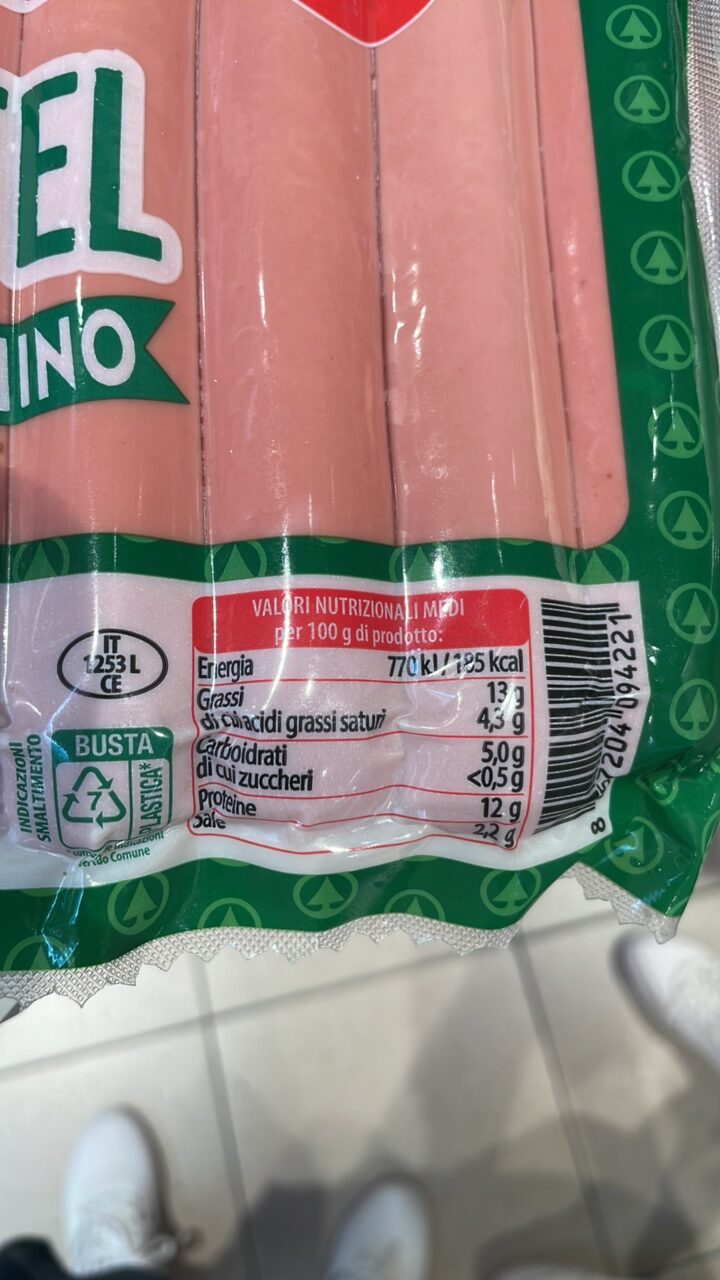
Barcode: 9100000845104
EL
HALAL
📝 Reason: None of the ingredients ‘energia’, ‘grassi’, ‘di acidi grassi saturi’, ‘carboidrati’, ‘di cui zuccheri’, ‘proteine’, and ‘sale’ are inherently Haram or Doubtful according to Islamic dietary law. No E-numbers or meat/animal derivatives are mentioned. Thus, by Quran 5:3 and major Halal bodies, these are Halal.
📄 Certificates: It, 1253 L, Ce, Busta, Plastica
Ingredients:
Details
Understanding the Halal Status of EL Product
When it comes to dietary choices, understanding whether a product is Halal is essential for many consumers. The EL product has been stated to be Halal, but what does this really mean? Let’s explore the ingredients, their origins, and the certificates that verify this product’s status.
Ingredients Breakdown
The ingredients listed for EL are: energia, grassi, di acidi grassi saturi, carboidrati, di cui zuccheri, proteine, sale. Let’s analyze each term to ensure they meet Halal standards.
Energia (Energy)
Energia translates to “energy”. It does not represent a specific ingredient but rather refers to the nutritional value provided by the product. As such, it has no Halal relevance.
Grassi (Fats)
The term grassi means “fats” in Italian. The source of these fats is not specified, but they are typically derived from vegetable or plant origins, which are Halal compliant. Thus, they are safe for consumption.
Di Acidi Grassi Saturi (Saturated Fats)
This phrase means “of which saturated fats.” No Haram or doubtful elements are identified, and these fats are generally considered Halal depending on their source, which can be either plant or animal.
Carboidrati (Carbohydrates)
Carbohydrates, or carboidrati, are basic nutritional elements derived from grains and sugars. They are inherently Halal unless they are contaminated during processing.
Di Cui Zuccheri (Sugars)
The ingredient di cui zuccheri means “of which sugars.” Sugars are considered Halal unless they are derived from alcohol or animal sources, which is not the case here based on the information provided.
Proteine (Proteins)
Proteine translates to “proteins.” This term does not specify the source, thus they are considered Halal unless labelled otherwise. Such vagueness doesn’t indicate any non-Halal components.
Sale (Salt)
Sale means “salt” and is entirely Halal. It is a mineral that does not carry any concerns regarding dietary laws.
Halal Certification Context
The Halal status of EL is supported by interpretations from Islamic law (Quran 5:3), which declare that none of the ingredients are inherently Haram or doubtful. Major Halal certifying bodies also endorse this position, thus reinforcing the credibility of this product’s Halal claim.
Brand and Category Overview
While the EL product lacks specific brand and category information, it is essential to consider that all the ingredients reviewed are generally accepted in dietary practices and do not infringe upon Halal guidelines.
Conclusion
The EL product is deemed Halal based on its ingredient analysis. None of the listed components are regarded as Haram or doubtful according to relevant Islamic dietary laws. For those who prioritize Halal in their diet, this product meets the necessary criteria. Always look for well-established certifications and trusted sources to ensure the food products you choose align with your dietary preferences.
