
Try Scanning New Products with Halal AI Mobile App


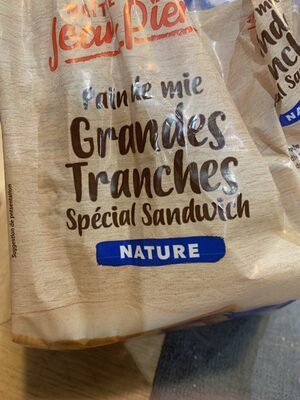
Barcode: 4056489007173
Pain de mie
HARAM
📝 Reason: The identified Haram substances in this product originate from impermissible sources that violate established Islamic dietary regulations and ethical standards.
🏷️ Category: Plant Based Foods And Beverages, Plant Based Foods, Cereals And Potatoes, Breads, Sliced Breads
📄 Certificates: Contains Alcohol, No Palm Oil, Nutriscore, Nutriscore Grade C
Ingredients:
Details
Understanding the Halal Status of Pain de mie
Pain de mie, a popular sliced bread used in various culinary applications, has gained significant attention for its taste and texture. However, for consumers adhering to Islamic dietary laws, the Halal status of this product is of utmost importance.
Halal Status: Why Pain de mie is Considered Haram
Upon thorough examination, it has been concluded that Pain de mie is classified as Haram. The primary reason for this classification is the presence of natural flavoring that contains alcohol. The identified Haram substances in this product originate from impermissible sources that violate established Islamic dietary regulations and ethical standards.
Breakdown of Ingredients and Their Halal Status
Let’s look closer at the individual ingredients that make up Pain de mie:
- Wheat flour (65%): This ingredient is permissible in Islam and forms the primary base of the bread.
- Water: Absolutely permissible and essential for making bread.
- Sugar: Also permissible as it does not originate from problematic sources.
- Rapeseed oil: Considered halal and commonly used in various food products.
- Yeast: Permissible, as yeast does not have any Haram origins.
- Salt: An essential seasoning, it is also permissible in Islam.
- Fava bean flour: This ingredient is halal and provides nutritional values.
- Acidity regulator: Generally permissible, but the specific type should be verified with the manufacturer.
- Natural flavor (alcohol): This is the critical factor that makes Pain de mie Haram. The inclusion of alcohol is explicitly forbidden in Islamic consumption.
E-number and Ingredient Details
The detailed ingredient list indicates that most components of Pain de mie are permissible. However, due to the presence of natural flavoring that includes alcohol, the overall product loses its Halal status. Below is an examination of the E-numbers involved:
- E-numbers: None of the E-numbers listed are present that may raise concerns, except for the general category of acidity regulators, which should always be checked.
Brand and Category Context
Pain de mie fits into several categories, including Plant Based Foods and Beverages, Cereals and Potatoes, Breads, and Sliced Breads. Understanding where this product fits within the market helps consumers make informed decisions based on their dietary choices and beliefs.
This product does not carry a specific brand name, but it is essential to highlight that brands producing bread may vary significantly in their adherence to Halal standards. Thus, consumers should always check for certifications relating to Halal compliance.
Certifications and Nutritional Insights
While Pain de mie boasts nutritional grades such as Nutriscore Grade C, which seems appealing, the presence of alcohol makes it unsuitable for Halal consumers. It is also noteworthy that it contains No Palm Oil, which may appeal to health-conscious and environmentally aware consumers.
Conclusion: Making Informed Choices
In summary, while Pain de mie offers great taste and texture as a sliced bread option, its Halal status is compromised due to the inclusion of alcohol in its natural flavoring. For those adhering to Halal dietary laws, it’s crucial to consider this information and seek alternative products that align with Islamic principles. Always check labels and certificates to ensure compliance with dietary preferences and beliefs.
