
Try Scanning New Products with Halal AI Mobile App


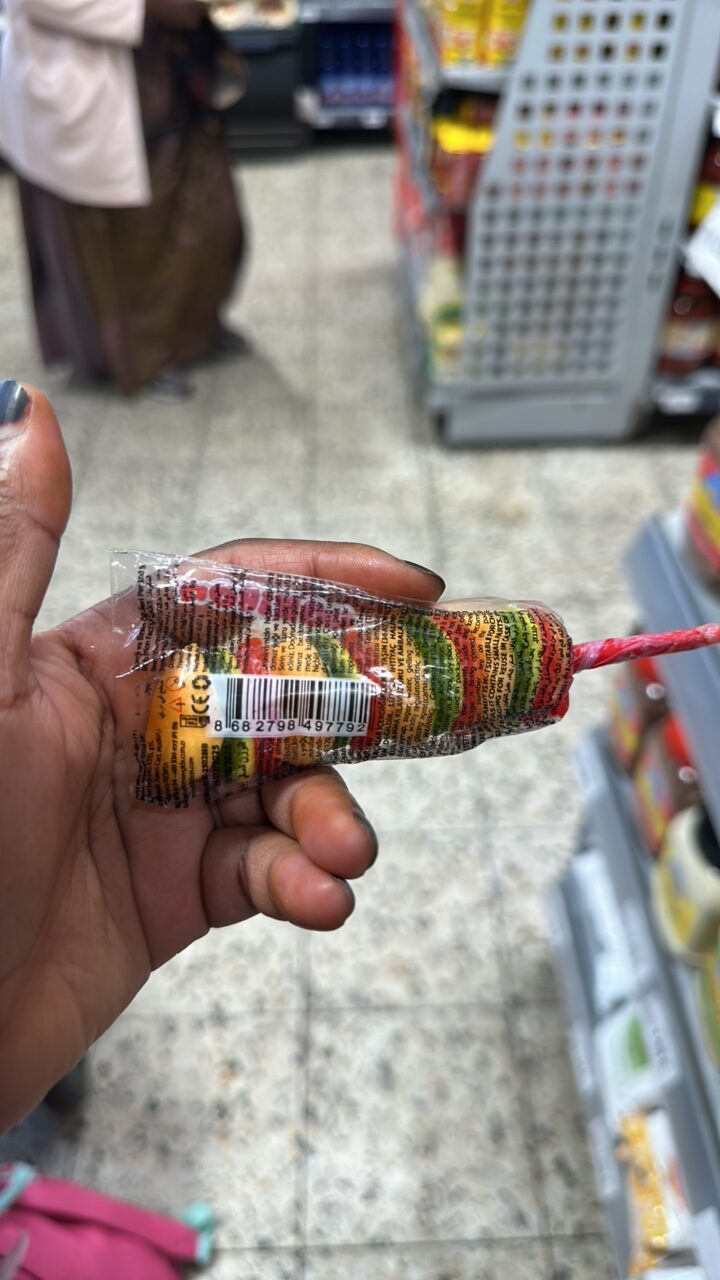
Barcode: 4251354818100
unknown
HALAL
📝 Reason: This product contains mostly Halal ingredients with the exception of ‘acid’, ‘flavorings’, and ‘colors’, which are generically named and may have non-Halal origins; thus, these are classified as Doubtful due to lack of precise identification. The E-codes listed are plant-based and in the known Halal list. According to IFANCA and general Islamic dietary law (Quran 5:3), ambiguous or hidden sources require caution (avoidance) when not explicitly marked as Halal.
🏷️ Category: Candy
📄 Certificates: Vegetarisch, Vegan
Ingredients:
Details
Unveiling the Halal Status of ‘Unknown’
When it comes to dietary choices, many individuals seek clarity, especially regarding Halal products. Today, we delve into the Halal status of the product named ‘unknown’. This analysis will not only clarify its Halal standing but also shed light on each ingredient’s origins and classification.
Halal Status Summary
The product’s Halal status is confirmed as HALAL. This outcome is primarily due to the ingredients, most of which are plant-derived and considered Halal, with a few that raise questions.
Ingredient Breakdown
Let’s explore the ingredients of the product:
- Sugar – Typically, sugar is Halal as it is plant-derived. However, caution is warranted if processed with bone char. The product in question does not specify such processing methods. For more detailed information, check the references from IFANCA.
- Glucose Syrup – Usually extracted from corn or wheat and considered Halal unless the processing includes alcohol, which is not specified here. More insights can be found here.
- Acid – This is a generic term; the specific type of acid is not identified and is categorized as doubtful due to potential non-Halal sources. For more on this, visit Halal HMC.
- Citric Acid – Typically derived from citrus fruits or fermentation, making it Halal. Further details are available at Food Chem Additives.
- Flavorings – This is a vague term, which can include both Halal and non-Halal ingredients. Therefore, without explicit information about its source, it is classified as doubtful. More information can be found here.
- Colors – Similar to flavorings, this term can also have non-Halal origins. Without clarity on the source, it’s considered doubtful. For further understanding, refer to IFANCA.
- E100 (Curcumin) – Derived from turmeric, this color additive is Halal. References for this can be found here.
- E140 (Chlorophylls and chlorophyllins) – Made from plant pigments, it is another Halal ingredient. More details can be consulted here.
- E160a (Carotenes) – This typically comes from plants and is Halal. Further insights can be found at Food Chem Additives.
- E163 (Anthocyanins) – Derived from anthocyanin-rich fruits and vegetables, making it Halal as well. More information can be accessed here.
The Importance of Halal Certification
Products that are certified Halal provide reassurance to consumers about the permissibility of their ingredients according to Islamic law, as outlined in Quran 5:3. It is always safer to opt for products labeled Halal to avoid any uncertainty regarding dietary laws.
Conclusion
While the product ‘unknown’ is largely considered Halal, caution is advised concerning the ambiguous terms such as ‘acid’, ‘flavorings’, and ‘colors’. It’s essential for consumers to stay informed and check for relevant certifications, such as vegetarian and vegan approvals. Always exercise due diligence in understanding product ingredients for a diet that aligns with personal beliefs.
