
Try Scanning New Products with Halal AI Mobile App


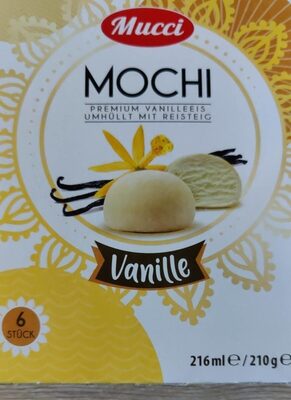
Barcode: 4061462386596
Mochi vanilleeis
HALAL
📝 Reason: Based on ingredient listing and provided ECode lists, this Mochi vanilleeis does not contain any Haram (forbidden) ingredients according to the provided strict rules, as there are no pork/alcohol/haram E-codes present. Two ingredients are Doubtful (whey and mono-/diglycerides) due to potential animal sourcing without Halal certification. As per Islamic principles (Quran 5:3), all doubtful ingredients lacking clear Halal status must be avoided unless certified. References: IFANCA, HalalHMC, www.foodchemadditives.com
🏷️ Category: Desserts, Frozen Foods, Frozen Desserts, Mochi Ice Cream
📄 Certificates: Vegetarisch
Ingredients:
Details
Understanding the Halal Status of Mochi vanilleeis
Mochi vanilleeis is a delightful frozen dessert blending Japanese mochi and creamy vanilla ice cream. However, for many consumers, knowing whether a product is Halal is essential. In this post, we will explore the Halal status of Mochi vanilleeis based on its ingredients and certifications.
Halal Status Overview
The Mochi vanilleeis is classified as Halal. This classification indicates that it does not contain any Haram (forbidden) ingredients according to Islamic dietary laws. A careful review of the ingredient list confirms that there are no pork products, alcohol, or any other ingredients that are typically considered Haram.
Ingredients Breakdown
The ingredients listed for Mochi vanilleeis are: skimmed milk, sugar, water, rice flour, potato starch, coconut fat, tapioca starch, whey, glucose-fructose syrup, trehalose, sunflower oil, ground vanilla beans, emulsifier (mono- and diglycerides of food fatty acids), stabilizers (locust bean gum, guar gum, tara gum, carrageenan), coloring agents (beta-carotene, safflower concentrate), and natural vanilla flavor.
E-Number Analysis
In examining specific E-numbers and their Halal status:
- Skimmed Milk: Halal; it is derived from cows and not mixed with Haram substances.
- Sugar: Generally Halal unless processed with animal bone char, which is rare in the EU.
- Water: Pure water is always Halal.
- Rice Flour: Made from rice; Halal.
- Potato Starch: Plant-based; Halal.
- Coconut Fat: Derived from coconuts; Halal.
- Tapioca Starch: From cassava plants; Halal.
- Whey: Doubtful; the source of enzymes used in cheesemaking may be unclear, hence it’s essential to ensure it’s Halal certified.
- Glucose-Fructose Syrup: Generally derived from plants; Halal.
- Trehalose: Sugar from plant sources; Halal.
- Sunflower Oil: Halal, derived from sunflower seeds.
- Ground Vanilla Beans: Halal, sourced from vanilla orchids.
- Emulsifier (Mono- and Diglycerides): Doubtful as it may be derived from animal sources; ensure Halal certification.
- Stabilizer (Various Gums): All are plant-derived and Halal.
- Coloring Agents: Beta-carotene and safflower concentrate are both plant-based and therefore Halal.
- Natural Vanilla Flavor: Usually plant-derived but potential concerns about residual alcohol, typically negligible.
Conclusion
While the core ingredients of Mochi vanilleeis indicate a Halal status, caution is advised regarding the emulsifier (mono- and diglycerides) and whey. These ingredients are marked as doubtful due to potential animal sourcing without a proper Halal certification.
It’s essential to look for formal Halal certification if you’re particularly concerned about doubts in sourcing. Certification from recognized bodies can provide peace of mind. As a consumer, you should feel empowered to make informed choices based on ingredient transparency and understanding of Halal requirements.
In summary, if you’re seeking a delicious Halal dessert, Mochi vanilleeis could be a satisfying option, but do check for certification to avoid any uncertainty.
