
Try Scanning New Products with Halal AI Mobile App


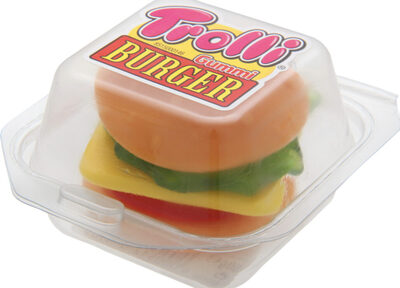
Barcode: 4000512008903
DOUBTFUL
📝 Reason: The Halal status remains indeterminate for some components. Final determination requires knowledge of exact formulations and manufacturing processes.
🏷️ Category: Snacks, Sweet Snacks, Confectioneries, Candies, Gummi Candies
📄 Certificates: Green Dot, Made In Germany, Fr:Triman
Ingredients:
Details
Is This Product Halal? Exploring Gummy Candies
When it comes to choosing snacks, especially gummy candies, many consumers are concerned about their Halal status. It’s important to understand whether these beloved sweets fit within dietary guidelines. Today, we delve into gummy candies, examining their ingredients, sourcing, and overall compliance with Halal principles.
Halal Status Overview
The gummy candies in question have a Halal status that can best be described as DOUTBFUL. While some ingredients appear permissible, the final determination requires detailed knowledge of formulations and manufacturing processes. Without this information, it’s challenging to provide a conclusive status for the entire product.
Ingredients Breakdown
Let’s take a closer look at the ingredients and their respective Halal statuses.
- Glucose Syrup and Sugar: Both of these ingredients are generally considered permissible in Islam. They are commonly derived from corn or sugarcane and do not pose any Halal issues.
- Gelatine: This is where concerns arise. Gelatine can be sourced from pork or non-Halal certified animals. Therefore, it remains doubtful without clarification on its origin.
- Acidulants: Citric Acid and Lactic Acid: Both are permissible, as citric acid is typically derived from fruits (citrus) and lactic acid can be produced from fermentation, making them suitable for Halal diets.
- Gelling Agents: Pectin: Pectin is derived from fruits and is considered Halal.
- Flavors: Typically, flavors can vary greatly. They should be confirmed by the manufacturer to ensure they meet Halal standards.
- Colorants: Cochineal, Curcumin, Brilliant Blue FCF: Cochineal, sourced from insects, may not be acceptable for some Halal consumers, while curcumin and Brilliant Blue FCF are permissible.
- Glazing Agents: Beeswax, White and Yellow, Carnauba Wax: Generally, these are permissible in Islam.
E-Numbers Breakdown
Understanding the E-numbers associated with these gummy candies can also clarify their Halal compliance. Here’s what each E-number signifies:
- E440A: This refers to pectin, which is a gelling agent derived from fruits. It does not pose any Halal-related concerns.
- Colorants: While most colorants used here are permissible, the presence of cochineal could create dilemmas for those adhering strictly to Halal eating habits.
Category and Brand Context
These gummy candies fall under the broader categories of Snacks, Sweet Snacks, Confectioneries, Candies, and Gummi Candies. Though no specific brand is mentioned, it’s essential to check the packaging and manufacturer’s information to determine if they have certifications to substantiate their Halal claims.
Conclusion
In conclusion, while gummy candies may provide sweetness and satisfaction, their Halal status remains indeterminate due to the presence of gelatine and colorants that require further clarification. For consumers adhering to Halal dietary laws, understanding the ingredients and their sources is critical. Always consult with manufacturers or trusted Halal certification bodies to ensure compliance with the dietary standards that matter to you.
Make informed choices when selecting snacks, and don’t hesitate to reach out for more details about formulations if you’re uncertain!
