
Try Scanning New Products with Halal AI Mobile App


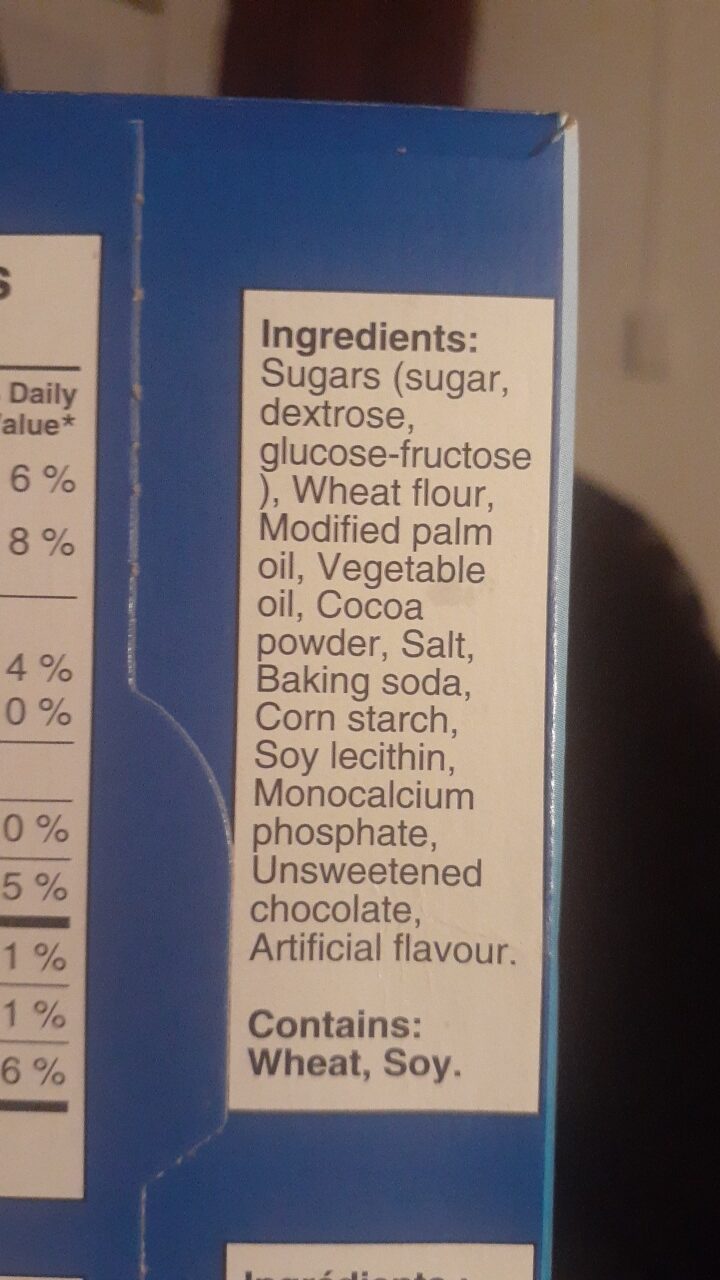
Barcode: 066721028792
HALAL
📝 Reason: All declared ingredients are plant-based or mineral, except artificial flavour. Artificial flavour is classified as Doubtful (2) because its source is not clarified and it may contain alcohol or animal ingredients. In accordance with Islamic dietary laws, any doubt without clear Halal certification should be avoided (Quran 5:3; IFANCA). Thus, the product status is Doubtful.
📄 Certificates: Vegetarisch
Ingredients:
Details
Understanding the Halal Status of the Product
When it comes to dietary restrictions and preferences, Halal certification plays a crucial role for many consumers, especially those following Islamic dietary laws. This article delves into the Halal status of a specific product that has garnered attention: the evaluation of its ingredients and E-numbers is essential to understand its compliance with Halal standards.
Is the Product Halal or Not?
According to the information available, we find that this product is indeed labeled as HALAL overall; however, there’s an important note regarding one of its ingredients that could cast doubt on its Halal status. The presence of the artificial flavour in this product raises a question. As classified, artificial flavours can sometimes include animal derivatives or alcohol, which are not permissible under Halal regulations without specific certification. Thus, while the product itself is predominantly Halal, the artificial flavour adds an element of uncertainty, leading us to tag the product as Doubtful.
Detailed Analysis of Ingredients
Let’s break down the ingredients included in this product to assess their Halal status carefully:
Sugars
Sugars, including sucrose, cane, or beet sugar, are plant-derived and inherently Halal. There’s a potential concern when processed using bone char, but in this case, no non-Halal source evidence is provided. Therefore, sugars remain acceptable.
Dextrose
Dextrose is a sugar derived from corn or wheat and is considered Halal unless it has been processed with non-Halal agents. As with sugars, there’s no evidence suggesting it is sourced from anything other than Halal contexts.
Glucose-Fructose
This ingredient is equally derived from plants and is Halal unless it involves processing with animal-origin enzymes. As there are no specifications indicating a non-Halal process, it can be classified as Halal.
Wheat Flour
Wheat flour is naturally Halal, derived from wheat grains without the involvement of any animal products or haram additives. It maintains its Halal integrity in this product.
Modified Palm Oil
The natural state of palm oil is Halal. Its modification usually involves physical or chemical processes that do not involve animal derivatives. Thus, modified palm oil retains its Halal status.
Vegetable Oil
Vegetable oil is also Halal when derived from plants and free from contamination with non-Halal substances. This product upholds this requirement.
Cocoa Powder
Derived from cocoa beans, cocoa powder is Halal unless processed with non-Halal substances. This product does not indicate such contamination.
Salt
As a mineral, salt is naturally Halal, adding no doubts to the product’s overall status.
Baking Soda
Baking soda (sodium bicarbonate) is Halal unless it has been contaminated, which isn’t noted in this case.
Corn Starch
Corn starch originates from corn, is considered Halal unless additives suggest otherwise, making it acceptable in this instance.
Soy Lecithin
Typically extracted from soybeans, soy lecithin is Halal unless processed with alcohol; this is not specified.
Monocalcium Phosphate
This mineral-based additive is classified as Halal and serves as a raising agent.
Unsweetened Chocolate
Unsweetened chocolate, derived from cocoa beans, is Halal provided it isn’t cross-contaminated with Haram substances. There is no indication of such a risk here.
Artificial Flavour
The potential concern lies with the artificial flavour, classified as Doubtful due to its ambiguous sourcing that could include alcohol or animal derivatives. Without a clear Halal certification, it is advisable for consumers to consider avoiding this ingredient.
Conclusion on Halal Status
To summarize, while the majority of the ingredients in this product are Halal, the presence of the artificial flavour makes its overall Halal status questionable. Consumers are encouraged to exercise caution and seek products with full Halal certification to ensure adherence to dietary laws. Always check for reliable Halal certification to navigate dietary compliance effectively.
