
Try Scanning New Products with Halal AI Mobile App


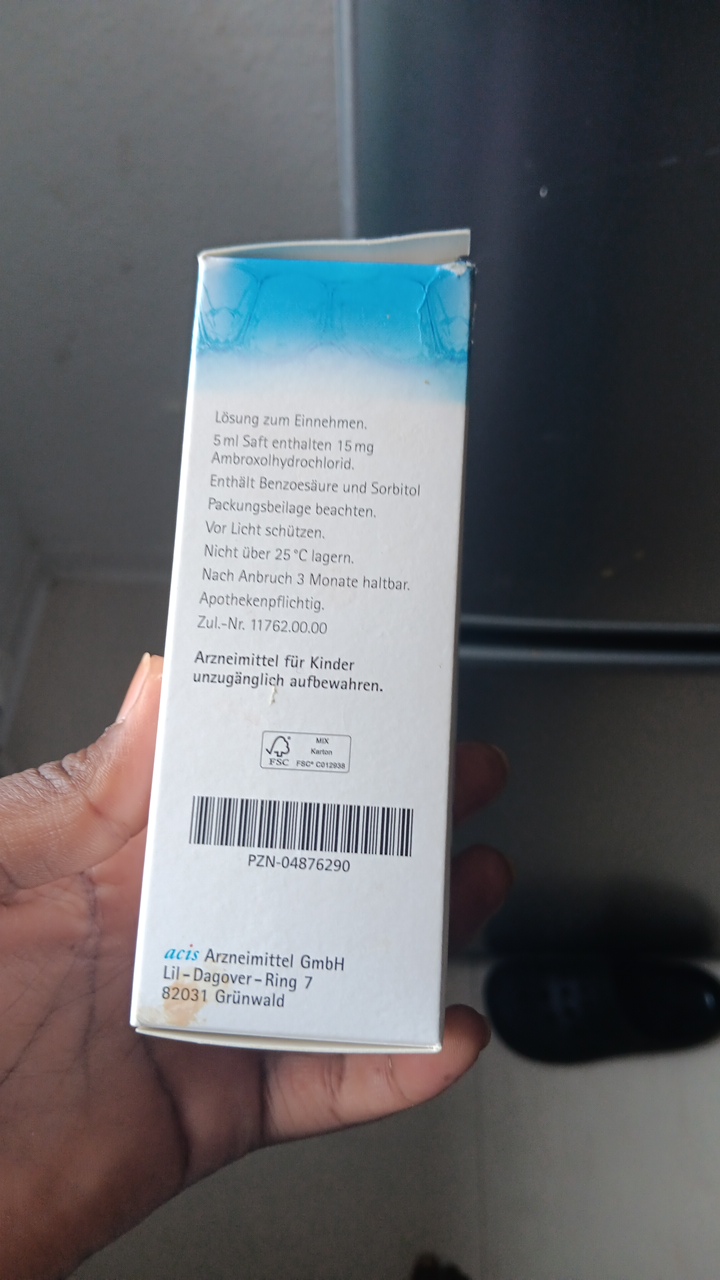
Barcode: -04876290
DOUBTFUL
📝 Reason: This product contains ingredients requiring further verification. Their Halal status depends on undisclosed processing details and source materials that need clarification.
📄 Certificates: For Oral Use, 5 Ml Juice Contain 15 Mg, Read Package Insert, Protect From Light, Do Not Store Above 25 °C., Shelf Life 3 Months After Opening., Pharmacy Only., Drug For Children Keep Out Of Reach., Fsc, Mix, Karton, Fsc C012938
Ingredients:
Details
Understanding the Halal Status of Ambroxol Hydrochloride
The Halal status of products is crucial for many consumers, particularly in the Muslim community. One such product that raises questions is ambroxol hydrochloride, a common ingredient in medications. This article explores whether ambroxol hydrochloride is Halal and examines its ingredients in detail.
The Halal Status of Ambroxol Hydrochloride
Ambroxol hydrochloride’s Halal status is currently classified as DOUBTFUL. This uncertainty arises due to the lack of transparency regarding the sourcing and processing details of this ingredient. To determine its Halal status, it is essential to have more information on the raw materials and processing conditions used in its production.
Ingredient Breakdown and E-Numbers
Let’s delve deeper into the ingredients listed in this product and their respective E-numbers:
- Ambroxol Hydrochloride: This ingredient is primarily used as a mucolytic agent, helping in the treatment of respiratory diseases. Its Halal status is currently undetermined as it lacks clear sourcing details.
- Benzoic Acid (E210): This is a widely used preservative that ensures the stability and shelf-life of the product. It is generally considered Halal as it is synthetically produced from benzene, which does not involve any animal-derived components.
- Sorbitol (E420): Used for thickening, gelling, and as a humectant, sorbitol is often derived from fruits or produced synthetically. While it typically does not raise Halal concerns, the specific source of the sorbitol must be verified to confirm its Halal status.
Conclusion on Certification
This product is certified for oral use with specific conditions outlined. It contains 15 mg of the active ingredient per 5 ml dosage and must be stored under certain conditions to maintain efficacy. The product is pharmacy-only, indicating it is regulated for safety and efficacy. The label even emphasizes that it must be kept away from children, ensuring that it is safe for home use when required.
Given the ambiguous Halal status, individuals concerned about Halal compliance should consult with product manufacturers or seek further verifications regarding the processing sources of ambroxol hydrochloride and the other ingredients. Manufacturers should provide a breakdown of processing methods and sources to aid consumers in making informed choices.
Importance of Halal Certifications
Halal certification plays a significant role in the peace of mind of consumers. Brands and manufacturers should strive for transparency, ensuring that all ingredients are sourced and processed according to Halal standards. For products like ambroxol hydrochloride, obtaining full Halal certification would increase the trust and compliance for Muslim consumers.
In summary, while some ingredients in ambroxol hydrochloride may be Halal, the overall status remains doubtful without further verification. It is highly recommended for consumers to stay informed and reach out to brands for accurate information regarding their product’s Halal status.
