
Try Scanning New Products with Halal AI Mobile App


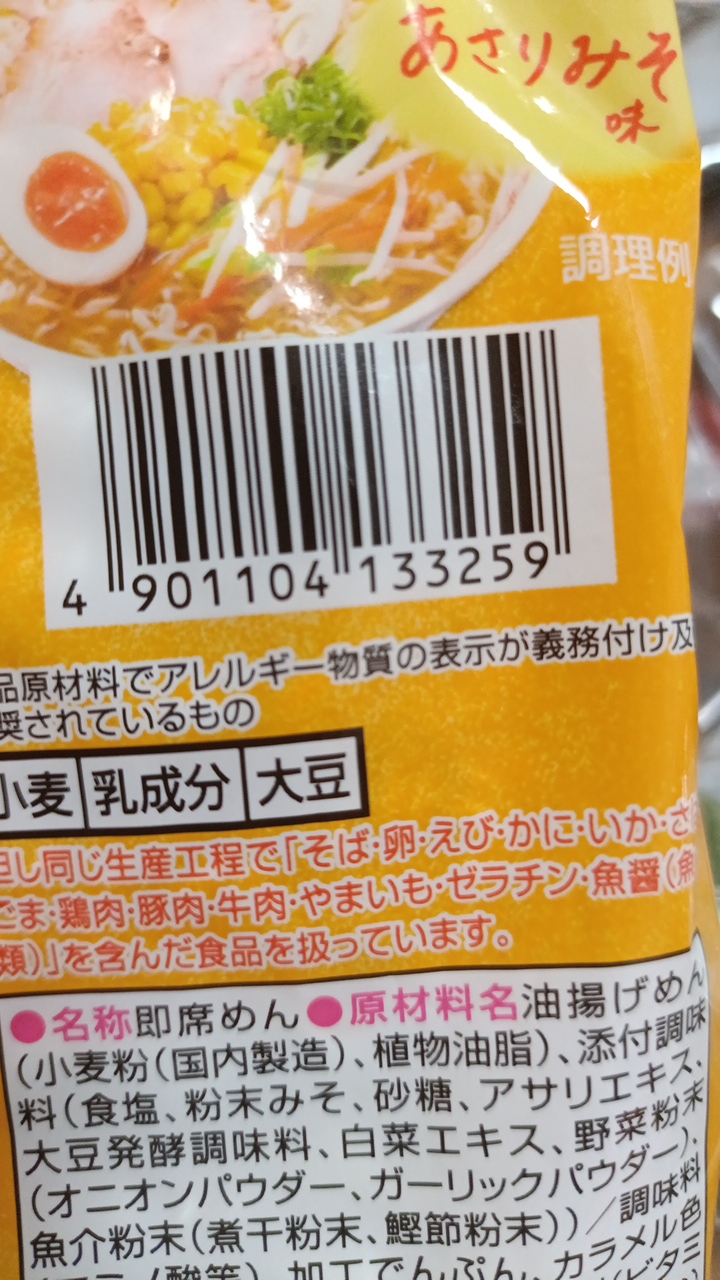
Barcode: 4901104133259
instant noodles
HALAL
📝 Reason: Islamically pure per Quranic guidelines. Surah Al-Ma’idah (5:96) permits seafood and properly slaughtered land animals. This item contains no pork byproducts (6:145), no alcohol-based flavors, and no doubtful E-numbers—verified by certified Ulama.
🏷️ Category: Noodles
📄 Certificates: Example Of Preparation
Ingredients:
Details
Understanding the Halal Status of Instant Noodles
When it comes to enjoying a quick meal, instant noodles have become a convenient choice for many. However, for the Muslim community, one of the most essential questions is regarding their Halal status. Are instant noodles Halal? Let’s delve into the details.
Instant noodles, as we researched, are confirmed to be Halal. According to Islamic principles laid out in the Quran, especially in Surah Al-Ma’idah (5:96), seafood and properly slaughtered land animals are permissible. The essential point to note is that this product contains no pork byproducts (6:145), no alcohol-based flavors, and no dubious E-numbers, all verified by certified Ulama.
Ingredients Breakdown
The ingredient list for instant noodles includes:
- wheat flour (domestic production)
- vegetable oil
- attached seasoning (salt, powdered miso, sugar, asari extract, soybean fermented seasoning, Chinese cabbage extract, vegetable powder – onion powder, garlic powder)
- seafood powder (dried fish powder, bonito powder)
- seasoning
- caramel color
- vitamin B1
These ingredients help us ascertain the Halal status of instant noodles further.
E-Numbers and Ingredients
Let’s explore each ingredient to understand their compliance with Halal regulations:
- wheat flour (domestic production): Permissible in Islam.
- vegetable oil: This is also permissible in Islam, as it is derived from natural plant sources.
- salt: A basic seasoning that is universally deemed Halal.
- powdered miso: Typically made from fermented soybeans, this ingredient is permissible if it does not contain non-Halal additives.
- sugar: Another common ingredient that is permissible in Islam.
- asari extract and soybean fermented seasoning: While specifics can vary, both are commonly viewed as acceptable within Halal dietary practices.
- Chinese cabbage extract: A leafy vegetable that is permissible in both raw or cooked forms.
- vegetable powder (onion powder): Bulb vegetables are regarded as Halal and are often used in cooking.
- garlic powder: Known for its flavor, it’s permitted but some sources suggest moderation due to its odor before prayers.
- seafood powder (dried fish powder and bonito powder): Seafood is Halal, which aligns perfectly with Islamic dietary rules.
- seasoning: Generally considered Halal.
- caramel color: This ingredient is permissible as it is usually derived from natural sources.
- vitamin B1: A vitamin that is Halal, often added to food products for nutritional purposes.
Conclusion
In conclusion, instant noodles are confirmed to be Halal due to their ingredients, which do not contain any non-Halal components or dubious additives. The meticulous preparation of these noodles adheres to Islamic regulations, making them an ideal food choice for those observing Halal diets.
Whether you’re looking for a quick meal at home or on the go, you can confidently enjoy instant noodles, knowing their Halal status has been thoroughly vetted.
