
Try Scanning New Products with Halal AI Mobile App


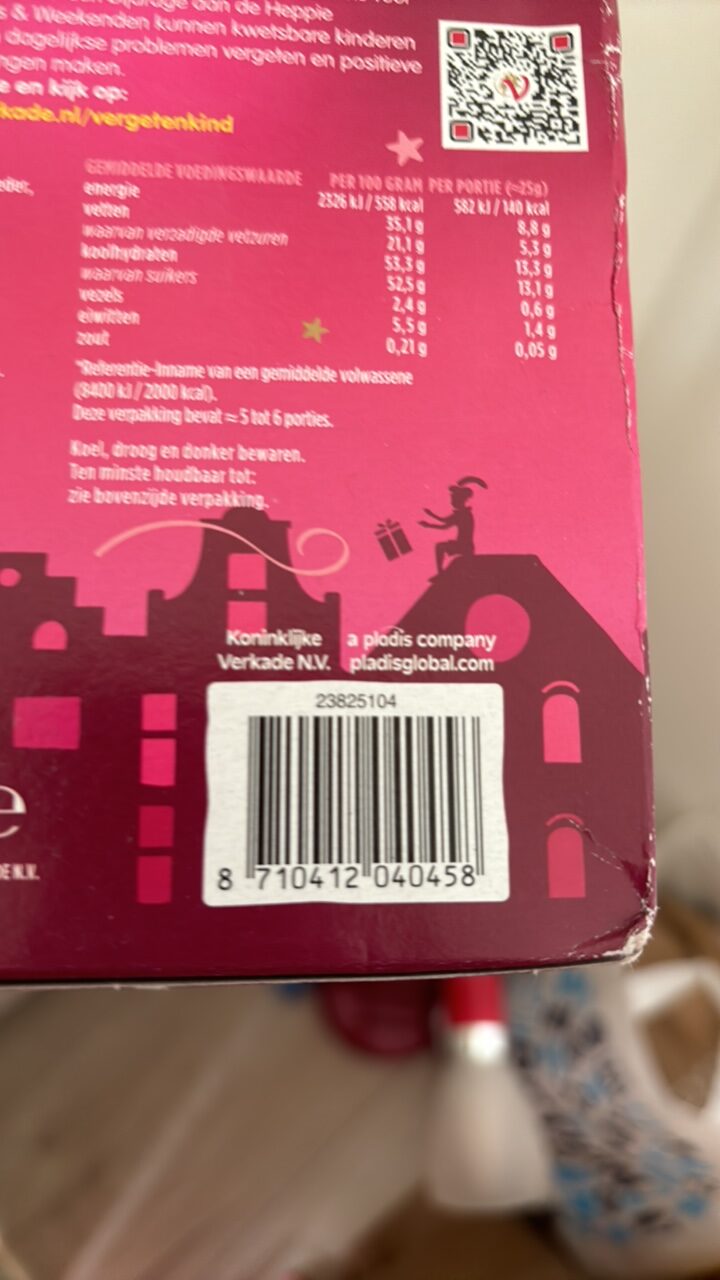
Barcode: 8710412040458
Heppie
HALAL
📝 Reason: All ingredients listed are generic terms for basic nutritional components and do not fall under the Haram ECode list or contain any meat derivatives. Therefore, the product is considered Halal as per Islamic dietary laws.
📄 Certificates: Vegetarisch, Vegan
Ingredients:
Details
Understanding the Halal Status of Heppie
When it comes to dietary choices, many people seek products that align with their beliefs and principles. One brand that has garnered attention is Heppie. If you’re curious whether Heppie is Halal, you’re in the right place. This post will delve into its ingredients, E-numbers, and overall Halal status.
What Does Halal Mean?
The term ‘Halal’ refers to anything that is permissible according to Islamic law. This includes food and drink, and for something to be Halal, it must not contain any forbidden (Haram) ingredients, particularly those derived from pork or animals not slaughtered according to Islamic standards.
Heppie Ingredient Breakdown
Heppie comprises several generic nutritional components, which include:
- Energie (energy)
- Vetten (fats)
- Waarvan verzadigde vetzuren (saturated fats)
- Koolhydraten (carbohydrates)
- Waarvan suikers (sugars)
- Vezels (fibers)
- Eiwitten (proteins)
- Zout (salt)
Halal Status of Ingredients
Let’s examine each ingredient to confirm its Halal status:
- Energie: This is a generic term representing energy, typically derived from carbohydrates, fats, or proteins. There are no Halal concerns here.
- Vetten: Similar to energy, fats are essential nutrients that do not have specific Halal implications. The source matters, but basic fats are usually Halal.
- Waarvan verzadigde vetzuren: These are saturated fats that also do not raise Halal concerns as they do not originate from Haram sources.
- Koolhydraten: Carbohydrates are universally recognized as a staple in diets, without Halal concerns.
- Waarvan suikers: Sugars fall under generic terms and do not pose any issues according to Halal regulations.
- Vezels: Fibers are plant-based and do not relate to any Halal issues.
- Eiwitten: Proteins can come from various sources, but when mentioned generically, they are often Halal.
- Zout: Salt, being a mineral, does not have any Halal implications.
Conclusion on Ingredients
All the ingredients listed in Heppie are generic terms for basic nutritional components. None of them falls under the Haram E-code list or contains any meat derivatives. Thus, Heppie is deemed Halal according to Islamic dietary laws.
Understanding E-Numbers
Upon inspecting the E-numbers related to Heppie, we find that:
- All ingredients are listed without specific E-codes, indicating their generic nature.
This absence of specific E-codes is advantageous, as it implies that all components are understood and accepted in their natural states, eliminating concerns about additives that may not be Halal.
Certifications and Additional Details
Heppie holds certificates for being Vegetarian and Vegan. These certifications further affirm the absence of animal-derived ingredients, making it a safe choice for those looking for plant-based options.
Final Thoughts
In conclusion, Heppie is a product that respects dietary restrictions while providing essential nutrients. The lack of Haram ingredients and its adherence to Vegetarian and Vegan certifications confirm its Halal status. If you’re seeking a nutritious and compliant choice, Heppie could be a perfect addition to your pantry.
