
Try Scanning New Products with Halal AI Mobile App


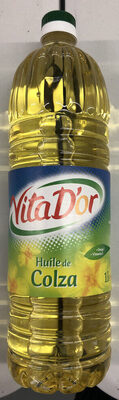
Barcode: 4056489135623
Rapsöl
HALAL
📝 Reason: Rapeseed oil is derived from the seeds of the rapeseed plant, which is permissible under Islamic dietary laws as it does not contain any Haram substances. The processing and handling of the oil must also comply with Halal standards, but without specific evidence to the contrary, it is considered Halal.
🏷️ Category: Plant Based Foods And Beverages, Plant Based Foods, Fats, Vegetable Fats, Vegetable Oils, Rapeseed Oils
📄 Certificates: Fr:Triman, Vegetarisch, Vegan
Ingredients:
Details
Understanding the Halal Status of Rapsöl
Rapsöl, or rapeseed oil, has garnered attention in the culinary landscape and among health enthusiasts. With its light flavor and high smoke point, it is a popular choice in cooking and food production. But for those observing halal dietary laws, a critical question arises: Is Rapsöl Halal?
Why Rapsöl is Considered Halal
According to Islamic dietary guidelines, for a product to be considered Halal, it must be free from any Haram (forbidden) substances. Rapsöl is derived from the seeds of the rapeseed plant, a source that does not contain any inherently Haram ingredients. This makes it permissible under Islamic law.
The processing and handling of Rapsöl are important aspects that reinforce its Halal status. As long as there are no indications of contamination with Haram substances during the processing stage, Rapsöl is accepted as Halal. In the absence of specific evidence against its compliance with Halal standards, Rapsöl is widely recognized as a Halal product.
Ingredient Breakdown
The primary ingredient in Rapsöl is:
- Rapeseed Oil: Derived from the seeds of the rapeseed plant, rapeseed oil is commonly used in cooking and baking. It offers a neutral taste that pairs well with various ingredients.
Analyzing the E-Numbers
Many consumers often check for E-numbers to assess the Halal status of food products. In the case of Rapsöl, the relevant E-number is:
- E-Code: None
There are no artificial additives or preservatives part of the processing of rapeseed oil, which contributes positively to its Halal certification. As the oil is extracted directly from the seeds of the rapeseed plant, it is generally considered Halal. This aligns with details from reliable sources, affirming that plant-derived oils fit within Halal guidelines.
Brand and Certification Context
While Rapsöl does not have a specific brand associated with it, it falls into various categories of plant-based foods and oils. This includes:
- Plant Based Foods And Beverages
- Plant Based Foods
- Fats
- Vegetable Fats
- Vegetable Oils
- Rapeseed Oils
Additionally, Rapsöl has received several certifications, including:
- Fr:Triman
- Vegetarisch
- Vegan
These certifications indicate that Rapsöl is not only suitable for vegetarians and vegans but also adheres to environmental standards under the Fr:Triman certification, making it a product that aligns with both ethical and dietary preferences.
Conclusion
In summary, Rapsöl is a Halal product that is safe for consumption under Islamic dietary laws. Its primary ingredient, rapeseed oil, is derived from plants and doesn’t contain any Haram substances. With no artificial E-numbers involved and reputable certifications ensuring its quality and compliance, Rapsöl stands out as a favorable option for those in search of Halal cooking oils. For more detailed information regarding Halal food products, you can refer to platforms like Islamic Finder.
